Parte 2 de expresión oral del IELTS: cómo hablar durante dos minutos
Practica la parte 2 de expresión oral del IELTS con un plan de intervención de dos minutos, frases útiles y un modelo; después revisa los detalles pertinentes, la estructura y el desarrollo.
En pocas palabras
Usa un ejemplo claro, con detalles y una razón por la que importa. En la parte 2 de expresión oral del IELTS tienes un minuto para preparar notas y después hablas hasta dos minutos; guíate por los puntos de la tarjeta. Escribir un guion completo consume tu tiempo de preparación: anota unas palabras como who, when y what changed.
Amarillo la idea para recordarAzul inglés para aprenderRojo cuidado con esto
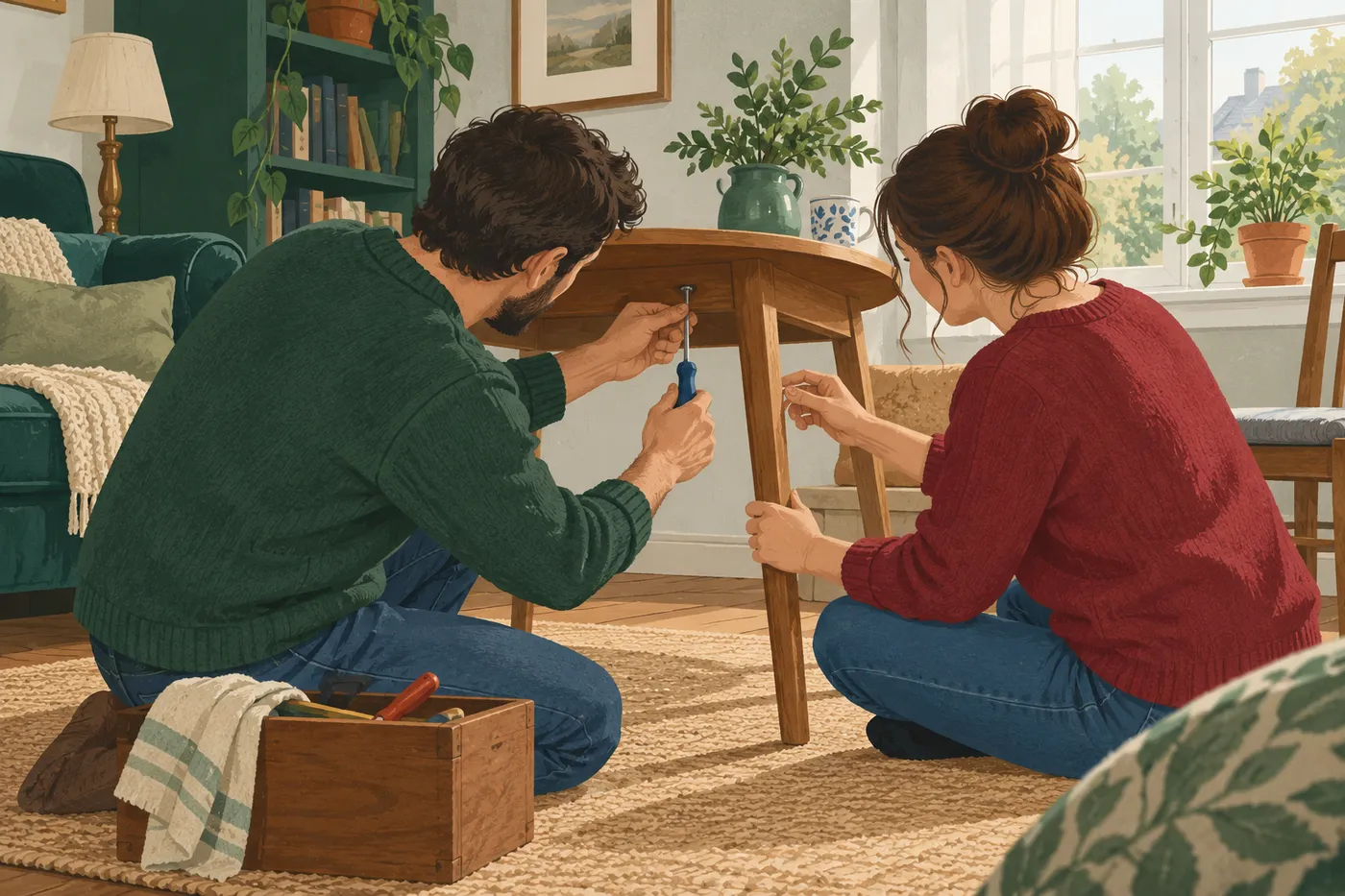
¿De qué deberías hablar en esta tarea de práctica?
Describe una ocasión en que alguien te ayudó a aprender una habilidad práctica.
- Di quién te ayudó.
- Di cuándo y dónde ocurrió.
- Describe qué aprendiste y cómo te ayudó esa persona.
- Explica por qué te resultó útil esta experiencia.
Elige un suceso que puedas describir fácilmente. Para esta tarjeta, una clase de cocina, una reparación de bicicleta o ayuda con un ordenador te darían algo concreto que explicar.
¿Qué deberías escribir durante el minuto de preparación?
| Tiempo | Acción | Ejemplos de notas |
|---|---|---|
| 0-10 segundos | Elige un suceso. | repair morning - tool library |
| 10-35 segundos | Pon unas palabras junto a cada punto de la tarjeta. | Joel / last autumn / small table / showed me slowly |
| 35-50 segundos | Añade un momento concreto y su resultado. | wobbly table / checked floor / table steady |
| 50-60 segundos | Elige tu primera frase y comprueba el orden. | I'd like to talk about... / why useful |
Estos tiempos son un plan de práctica. Mantén las notas lo bastante breves para leerlas de un vistazo. Joel - showed me slowly puede convertirse en varias frases orales: quién es Joel, qué te mostró y por qué ayudó la explicación pausada.
¿Cómo conviertes cuatro notas en dos minutos de habla?
| Tiempo aproximado | Qué añadir | Un inicio útil |
|---|---|---|
| Primeros 20 segundos | Nombra a la persona, la habilidad y la ocasión. | I'd like to talk about a time when... |
| Siguientes 30 segundos | Presenta el contexto y explica el problema. | At the time, I was... |
| Siguientes 45 segundos | Describe una acción, tu respuesta y el resultado. | First, he showed me... |
| Últimos 25 segundos | Explica por qué importó y qué cambió después. | Looking back, the most useful part was... |
Desarrolla una idea antes de pasar a la siguiente. Después de He helped me repair a table, añade cómo ayudó: He showed me once, then let me try. Añade tu respuesta y el resultado. Estos detalles dan al oyente una imagen clara.
¿Cómo podría sonar una respuesta completa?
Lee el modelo en voz alta con un temporizador de dos minutos. Fíjate en cómo pasa del suceso a un pequeño problema y después a un resultado. Tu velocidad y tus pausas cambiarán la duración.
Respuesta oral modelo
Learning to repair a small table
I'd like to talk about Joel, a volunteer who showed me how to do a few simple furniture repairs. This happened last autumn at a Saturday workshop in our local tool library. I'd brought along a small wooden table with a wobbly1 leg. I'd been meaning to fix it for months, but I didn't know where to start.
Joel didn't take over and do everything himself. First, he asked me to turn the table over so we could see how the legs were fixed. He pointed out2 a loose screw and showed me how to tighten it. Then he let me tighten the other screws while he watched. I liked that because I could ask questions as I worked.
The most useful moment came when the table still wasn't completely steady. I assumed one leg was too long, but Joel suggested checking the floor first. We moved the table, and it stopped wobbling. That small check saved me from3 cutting a perfectly good table leg. We both laughed, and I felt much more relaxed.
By the end of the morning, I could use the tools more confidently4, and I understood why checking the problem matters as much as fixing it. Since then, I've repaired a cupboard handle at home. Looking back5, the best part was Joel's patience. He gave me time to think and let me make the decisions. I'd like to go to another workshop because there's still a lot I want to learn. It was a small job, but it made me more willing to have a go6.
¿Qué puedes añadir si tu respuesta es demasiado corta?
A general statementNombra una cualidad, pero aporta pocos detalles.
Objetivo: ¿Cómo era esa persona?
Joel was patient.
Un punto de partida útil.
A developed pointMuestra la cualidad mediante una acción y una respuesta.
Objetivo: ¿Cómo percibiste esa cualidad?
Joel was patient. He showed me again when I got confused, so I felt comfortable asking questions.
El oyente puede entender por qué lo describes como paciente.
Si pierdes el hilo, mira la siguiente nota y continúa: Another thing I remember is... Si no recuerdas una palabra, describe la cosa: the tool you use to tighten a screw. Mantén el detalle relacionado con la tarjeta.
- He explained me how to use it.He explained to me how to use it.
Usa explain something to someone. Para una frase más corta, di He showed me how to use it.
- I have learnt it last autumn.I learnt it last autumn.
Last autumn es un periodo terminado, así que usa el pasado simple learnt.
- I was very interesting in the workshop.I was very interested in the workshop.
Interested describe lo que sientes. Interesting describe algo que mantiene tu atención.