अद्यतन:
क्रिया के रूपों की तालिका
Have के रूप: नौ कालों की तालिकाएँ और have got
नौ कालों में have के रूपों की तालिकाएँ देखें, स्वामित्व की तुलना have got से करें और चार आम ग़लतियों के साथ प्रश्नों व नकारात्मक वाक्यों का अभ्यास करें।
- A1
- काल: 9
- भूतकृदंत: had
- इसे A1 अध्ययन पुस्तिका में सीखें →
संक्षेप में
have के मुख्य रूप हैं have, has, had और having: I have a bike; she has a bike; we had a bike। अभी के स्वामित्व में I have और I've got का अर्थ एक है; ब्रिटिश बातचीत में have got आम है। he, she या it के साथ has रखें।
पीला याद रखने योग्य मुख्य बातनीला सीखने योग्य अंग्रेज़ीलाल सावधानी
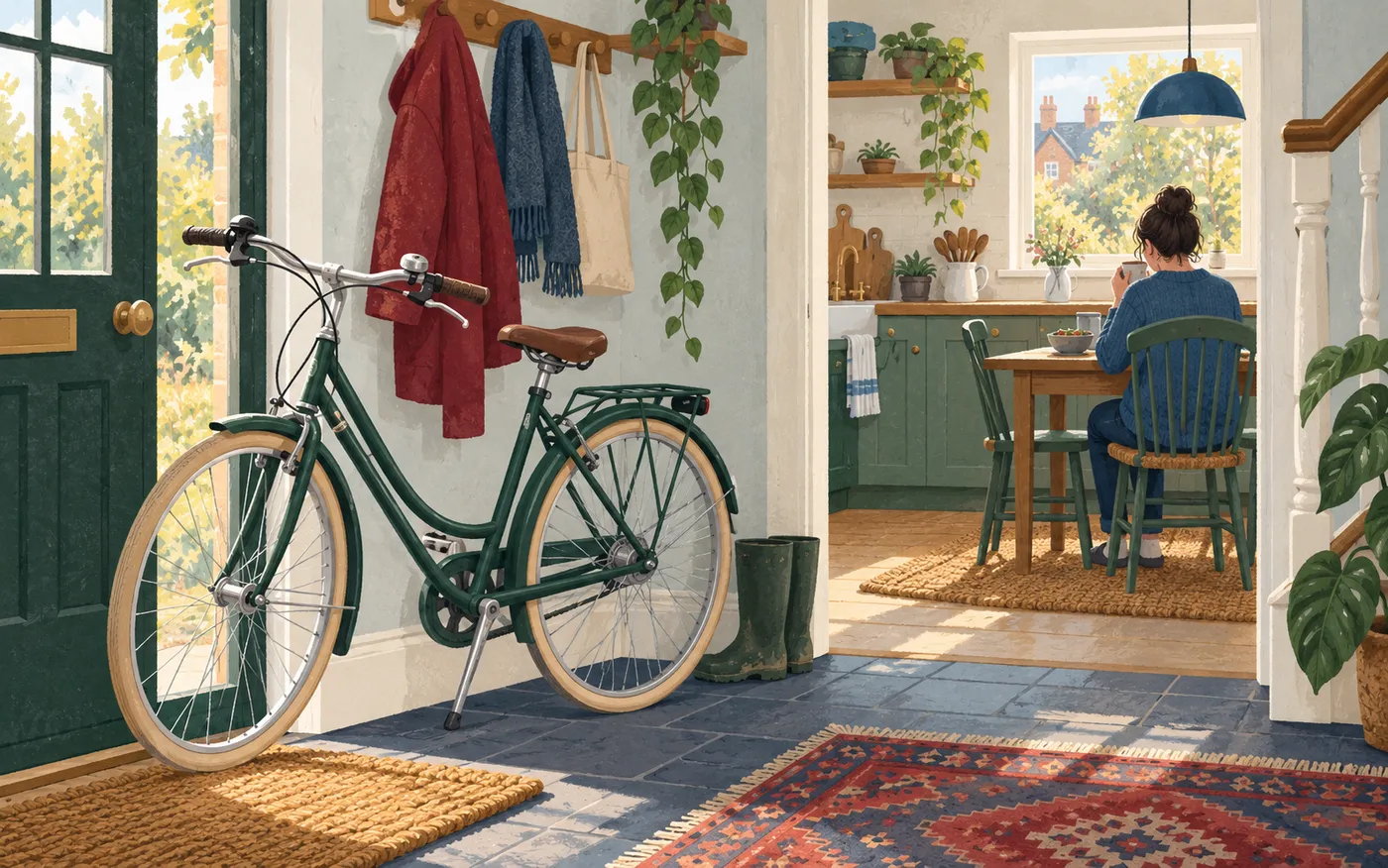
सामान्य वर्तमान काल की तालिका से शुरू करें। दूसरी तालिकाएँ बाद के लिए हैं। अपनी चीज़ों के लिए have रखें: I have a bike. अपने कामों के लिए भी रखें: I have lunch at one.
- मूल रूप
- have
- सामान्य भूतकाल
- had
- भूतकृदंत
- had
- -ing रूप
- having
सामान्य वर्तमान कालअपनी चीज़ें; अक्सर किए जाने वाले काम।
| I | have |
| you | have |
| he / she / it | has |
| we | have |
| you (plural) | have |
| they | have |
She ==has== a break at eleven.
वह हर दिन थोड़ी देर काम रोकती है।
वर्तमान निरंतर कालअभी के काम के लिए, जैसे दोपहर का खाना खाना।
| I | am having |
| you | are having |
| he / she / it | is having |
| we | are having |
| you (plural) | are having |
| they | are having |
We ==are having== lunch.
हम अभी खा रहे हैं।
सामान्य भूतकालअब से पहले, बीते समय में।
| I | had |
| you | had |
| he / she / it | had |
| we | had |
| you (plural) | had |
| they | had |
I ==had== a bike when I was ten.
तब मेरे पास साइकिल थी।
भूत निरंतर कालअतीत के किसी समय पर गतिविधि जारी थी।
| I | was having |
| you | were having |
| he / she / it | was having |
| we | were having |
| you (plural) | were having |
| they | were having |
She ==was having== lunch when I called.
वह उस समय खा रही थी।
वर्तमान पूर्ण कालपहले से अब तक, या ऐसी घटना जिसका परिणाम अभी है।
| I | have had |
| you | have had |
| he / she / it | has had |
| we | have had |
| you (plural) | have had |
| they | have had |
I ==have had== this bike for two years.
मुझे यह दो वर्ष पहले मिला। अब भी मेरे पास है।
भूत पूर्ण कालदूसरी बीती घटना से पहले की घटना।
| I | had had |
| you | had had |
| he / she / it | had had |
| we | had had |
| you (plural) | had had |
| they | had had |
We ==had had== lunch before the visitors arrived.
हमने पहले खाया। आगंतुक बाद में आए।
Will वाला भविष्यअब के बाद की बात।
| I | will have |
| you | will have |
| he / she / it | will have |
| we | will have |
| you (plural) | will have |
| they | will have |
You ==will have== more time tomorrow.
कल इस पर अधिक समय लगा सकते हैं।
Going toअब के बाद की योजना।
| I | am going to have |
| you | are going to have |
| he / she / it | is going to have |
| we | are going to have |
| you (plural) | are going to have |
| they | are going to have |
We ==are going to have== lunch at home.
यह हमारी योजना है।
शर्तसूचक रूप: wouldदूसरी स्थिति की कल्पना करें।
| I | would have |
| you | would have |
| he / she / it | would have |
| we | would have |
| you (plural) | would have |
| they | would have |
I ==would have== more time if I worked nearer home.
मैं घर से दूर काम करता/करती हूँ। घर के पास काम करने की कल्पना करें।
have या have got कब रखें?
| have के साथ | have got के साथ | अर्थ |
|---|---|---|
| I have a bike. | I've got a bike. | साइकिल मेरी है। |
| She has two brothers. | She's got two brothers. | वह उनकी बहन है। |
| We have a small kitchen. | We've got a small kitchen. | हमारी रसोई छोटी है। |
| I have a cold. | I've got a cold. | मैं बीमार हूँ: नाक बह रही है। |
यहाँ I've का अर्थ I have और she's got का अर्थ she has got है। हर प्रश्न और जवाब साथ रखें: Have you got a pen? Yes, I have. या: Do you have a pen? Yes, I do.
| व्यक्ति | Have | Have got |
|---|---|---|
| I / you / we / they | Do you have a pen? | Have you got a pen? |
| he / she / it | Does she have a pen? | Has she got a pen? |
| I / you / we / they | I don't have a pen. | I haven't got a pen. |
| he / she / it | She doesn't have a pen. | She hasn't got a pen. |
| छोटा हाँ वाला जवाब | Yes, I do. / Yes, she does. | Yes, I have. / Yes, she has. |
| छोटा नहीं वाला जवाब | No, I don't. / No, she doesn't. | No, I haven't. / No, she hasn't. |
क्या have got lunch कह सकते हैं?
खाने के लिए have lunch कहें: I have lunch at one. I've got lunch का अर्थ हो सकता है कि खाना यहाँ मेरे लिए तैयार है। अतीत में स्वामित्व के लिए had रखें: I had a red bike। भविष्य के लिए will have रखें: I'll have more space in my new flat।
| गतिविधि | उदाहरण |
|---|---|
| have breakfast | I have breakfast at seven. |
| have a shower | She has a shower before work. |
| have a break | Let's have a break. |
| have a good time | Did you have a good time? |
दूसरे रूपों से प्रश्न कैसे बनाएँ?
| रूप | प्रश्न | नकारात्मक |
|---|---|---|
| वर्तमान निरंतर काल | Are you having lunch? | I'm not having lunch. |
| सामान्य भूतकाल | Did you have lunch? | I didn't have lunch. |
| भूत निरंतर काल | Were you having lunch? | I wasn't having lunch. |
| वर्तमान पूर्ण काल | Have you had lunch? | I haven't had lunch. |
| भूत पूर्ण काल | Had you had lunch? | I hadn't had lunch. |
| Will | Will you have time? | I won't have time. |
| Going to | Are you going to have lunch? | I'm not going to have lunch. |
| Would | Would you have time if you worked here? | I wouldn't have time if I worked here. |
have की कौन-सी ग़लतियाँ जाँचें?
- Does she has a car?Does she have a car?
does के बाद have रखें। does पहले ही she के अनुसार बदलता है।
- Do you have got a pen?Have you got a pen?
प्रश्न का एक ढाँचा रखें: Have you got...? या Do you have...?
- I am having a bike.I have a bike.
अपनी साइकिल के लिए have रखें। Am having गतिविधि के लिए उपयोगी है: I'm having lunch।
- Yesterday I haved a break.Yesterday I had a break.
have का भूतकाल had है। I, she और they के साथ वही रहता है।