Updated
Verb table
Have conjugation: nine tense tables and have got
Use have conjugation tables for nine tenses, compare possession with have got, and practise questions and negatives with four common mistakes.
- A1
- 9 tenses
- Past participle: had
- Learn this in the A1 notebook →
In short
The main forms of have are have, has, had and having: I have a bike; she has a bike; we had a bike. For possession now, I have and I've got mean the same; have got is common in British conversation. Use has with he, she or it.
Yellow the idea to rememberBlue English to learnRed watch out
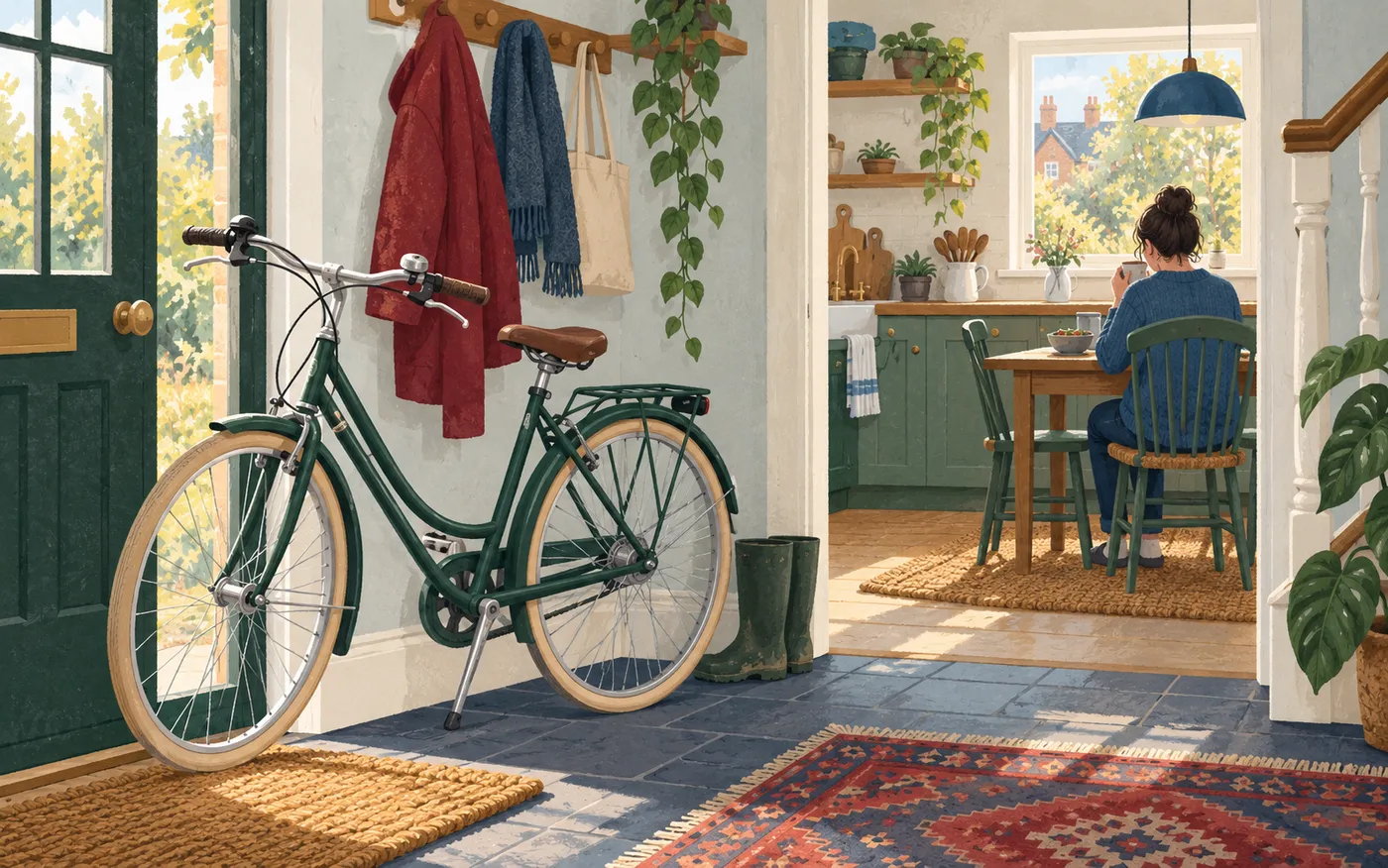
Start with the present simple table. The other tables are here for later. Use have for things that are yours: I have a bike. Also use it for things you do: I have lunch at one.
- Base form
- have
- Past simple
- had
- Past participle
- had
- -ing form
- having
Present simpleThings you own; things you do often.
| I | have |
| you | have |
| he / she / it | has |
| we | have |
| you (plural) | have |
| they | have |
She ==has== a break at eleven.
She stops work for a short time every day.
Present continuousFor something you are doing now, such as eating lunch.
| I | am having |
| you | are having |
| he / she / it | is having |
| we | are having |
| you (plural) | are having |
| they | are having |
We ==are having== lunch.
We are eating now.
Past simpleBefore now, at a finished time.
| I | had |
| you | had |
| he / she / it | had |
| we | had |
| you (plural) | had |
| they | had |
I ==had== a bike when I was ten.
I owned a bike then.
Past continuousAn activity was happening at a past time.
| I | was having |
| you | were having |
| he / she / it | was having |
| we | were having |
| you (plural) | were having |
| they | were having |
She ==was having== lunch when I called.
She was eating at that time.
Present perfectFrom before now to now, or an event with a result now.
| I | have had |
| you | have had |
| he / she / it | has had |
| we | have had |
| you (plural) | have had |
| they | have had |
I ==have had== this bike for two years.
I got it two years ago. I still have it.
Past perfectAn event before another past event.
| I | had had |
| you | had had |
| he / she / it | had had |
| we | had had |
| you (plural) | had had |
| they | had had |
We ==had had== lunch before the visitors arrived.
We ate first. The visitors came later.
Will futureSomething after now.
| I | will have |
| you | will have |
| he / she / it | will have |
| we | will have |
| you (plural) | will have |
| they | will have |
You ==will have== more time tomorrow.
Tomorrow you can spend more time on it.
Going toA plan for after now.
| I | am going to have |
| you | are going to have |
| he / she / it | is going to have |
| we | are going to have |
| you (plural) | are going to have |
| they | are going to have |
We ==are going to have== lunch at home.
This is our plan.
Conditional: wouldImagine a different situation.
| I | would have |
| you | would have |
| he / she / it | would have |
| we | would have |
| you (plural) | would have |
| they | would have |
I ==would have== more time if I worked nearer home.
I work far from home. Imagine working near home.
When do you use have or have got?
| With have | With have got | Meaning |
|---|---|---|
| I have a bike. | I've got a bike. | The bike is mine. |
| She has two brothers. | She's got two brothers. | She is their sister. |
| We have a small kitchen. | We've got a small kitchen. | Our kitchen is small. |
| I have a cold. | I've got a cold. | I am ill: my nose is running. |
Here, I've means I have, and she's got means she has got. Keep each question and answer together: Have you got a pen? Yes, I have. Or: Do you have a pen? Yes, I do.
| Person | Have | Have got |
|---|---|---|
| I / you / we / they | Do you have a pen? | Have you got a pen? |
| he / she / it | Does she have a pen? | Has she got a pen? |
| I / you / we / they | I don't have a pen. | I haven't got a pen. |
| he / she / it | She doesn't have a pen. | She hasn't got a pen. |
| Short yes answer | Yes, I do. / Yes, she does. | Yes, I have. / Yes, she has. |
| Short no answer | No, I don't. / No, she doesn't. | No, I haven't. / No, she hasn't. |
Can you say have got lunch?
For eating, say have lunch: I have lunch at one. I've got lunch can mean the food is here, ready for me. For owning something in the past, use had: I had a red bike. For the future, use will have: I'll have more space in my new flat.
| Activity | Example |
|---|---|
| have breakfast | I have breakfast at seven. |
| have a shower | She has a shower before work. |
| have a break | Let's have a break. |
| have a good time | Did you have a good time? |
How do you make questions with the other forms?
| Form | Question | Negative |
|---|---|---|
| Present continuous | Are you having lunch? | I'm not having lunch. |
| Past simple | Did you have lunch? | I didn't have lunch. |
| Past continuous | Were you having lunch? | I wasn't having lunch. |
| Present perfect | Have you had lunch? | I haven't had lunch. |
| Past perfect | Had you had lunch? | I hadn't had lunch. |
| Will | Will you have time? | I won't have time. |
| Going to | Are you going to have lunch? | I'm not going to have lunch. |
| Would | Would you have time if you worked here? | I wouldn't have time if I worked here. |
Which have mistakes should you check?
- Does she has a car?Does she have a car?
After does, use have. The word does already changes for she.
- Do you have got a pen?Have you got a pen?
Use one question pattern: Have you got...? or Do you have...?
- I am having a bike.I have a bike.
For a bike you own, use have. Am having is useful for an activity: I'm having lunch.
- Yesterday I haved a break.Yesterday I had a break.
The past of have is had. It is the same with I, she and they.