更新日
対話
IELTSスピーキング・パート3:理由と例で意見を発展させる
話し合いの質問、詳しく展開した解答例、比較表現、理由を深めるチェックリストで、IELTSスピーキング・パート3に備えましょう。
- B2
- せりふ:6件
- 練習モード
- B2の学習ノートで、この項目を学ぶ →
要点
IELTS Speaking Part 3は4〜5分の話し合いで、パート2の話題をより一般的・抽象的に展開します。考えを説明して裏付け、関連する限界や別の見方を検討しましょう。 個人の体験談だけでは、社会についての質問に答えられない場合があります。
黄色 覚えておきたい要点青色 身につけたい英語表現赤色 注意点
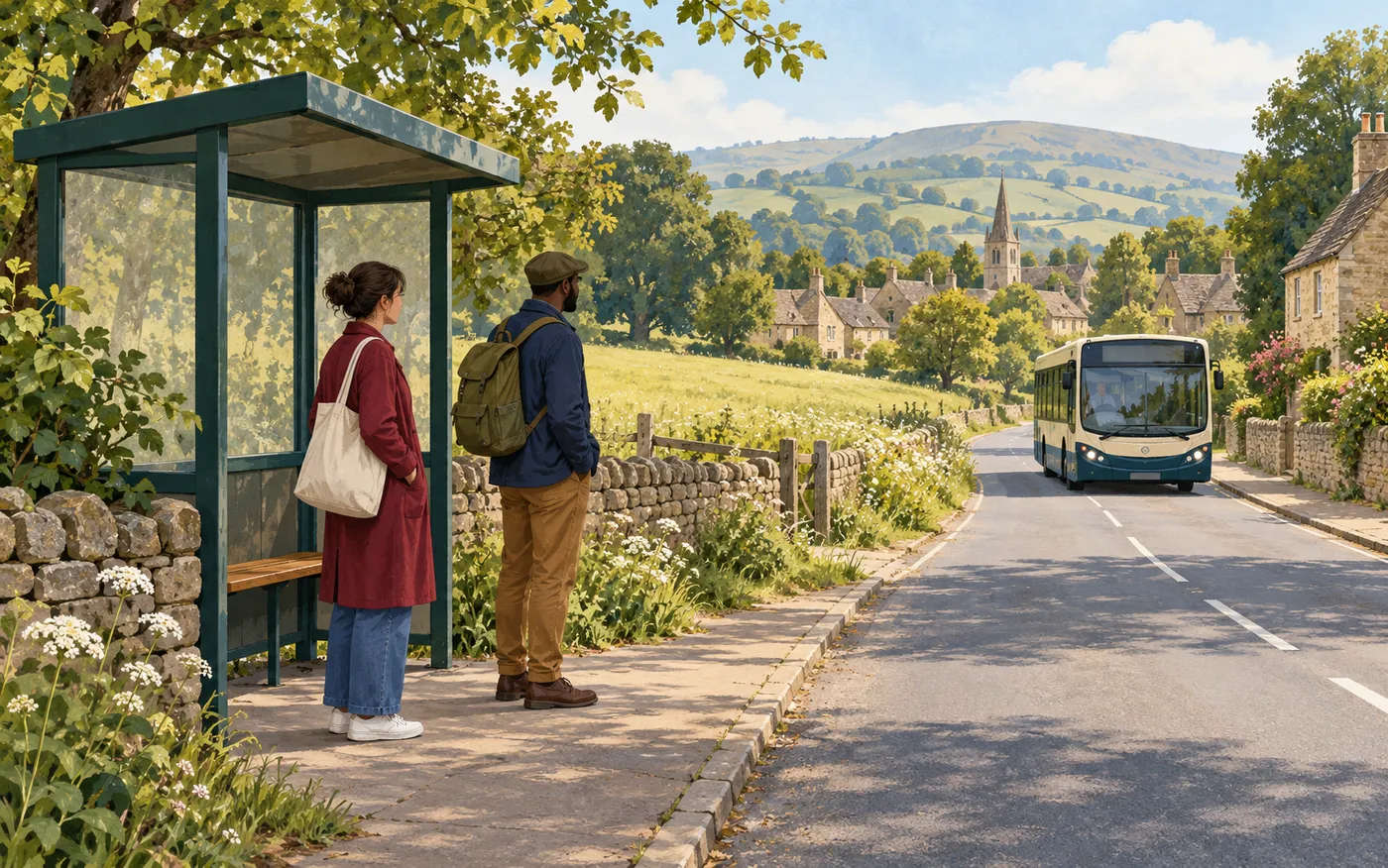
パート3はパート1とどう違いますか?
パート1では、自分の生活についてよく聞かれます。パート3では、人がある行動を取る理由、物事の変化、将来起こり得ることなどを聞かれます。パート2で訪れて楽しかった場所を話したなら、パート3では観光、公共交通、旅行が地域社会に与える影響などを話し合うかもしれません。
- Examiner
Why do some people prefer public transport to driving?
意味
人々について一般的に話します。
- Candidate
Cost is probably one reason. In a city, parking can be expensive, whereas a bus pass may be cheaper. Public transport can also let people read or relax during the journey.
考えられる理由を2つ示します。
意味
理由を述べ、比較して詳しく説明します。
- Examiner
Do you think that is true everywhere?
意味
自分の答えの限界を検討します。
- Candidate
Not everywhere. In rural areas, buses may be less frequent, so driving can be more practical. It depends on whether the service matches people's daily journeys.
例外を1つ説明します。
意味
関連する条件を添え、主張の範囲を限定します。
- Examiner
How might travel change in the future?
意味
根拠のある予測をします。
- Candidate
More journeys could be made by public transport if services become reliable and affordable. However, better vehicles alone may not be enough; people also need useful routes.
変化を予測し、条件を示します。
意味
条件を添え、確実だと断言しないようにします。
どの質問で練習できますか?
6つの話し合いの問い
- Why do some people prefer shopping locally?
- How has technology changed the way people keep in touch?
- Should towns make more space for pedestrians?
- What are the advantages and disadvantages of working from home?
- How can schools encourage children to read?
- Do you think people will travel less for work in future?
| 目的 | 役立つ表現 |
|---|---|
| 考えを述べる | One reason might be that... |
| 比較する | Compared with the past,... |
| 限界を示す | That may be true in cities, but... |
| 例を挙げる | For example, someone who... |
| 結果を考える | That could lead to... |
考えに合うからこそ、その表現を選びましょう。接続表現を長く連ねると、単純な考えが見えにくくなります。2つ目の理由を加える前に、1つの明確な理由を詳しく説明しましょう。考えが変わったら、その理由を説明します。例:Actually, I would make a distinction between short journeys and long ones.。もう信じていない答えを守り続けるより役立ちます。
問いを1つ選び、声に出して練習しましょう
- 自分の話だけでなく、一般的な答えを示している。
- 主な主張がなぜ成り立ち得るか説明している。
- 主張を裏付ける例を使っている。
- 関連する例外や条件を検討している。
- 推測を確実な未来の事実として伝えていない。
That may be true in cities, but rural areas can be different.
一般的な主張に、関連する限界を添えましょう。