C2の意見論説文
Against nostalgia
Nostalgia is an excellent interior decorator and a careless historian. It leaves the kitchen warm, the streets quiet and the neighbours available; it removes the damp, the boredom and the neighbour who made life intolerable. A photograph album cannot show what happened outside its frame. The trouble begins when this perfectly human selectivity1 acquires a political programme.
Admittedly, a remembered world can supply something the present withholds: a sense that life is continuous, that we belong to people rather than merely to a sequence of transactions. To sneer at that desire is both ungenerous and strategically foolish. Someone mourning the loss of a local meeting place is not necessarily asking to reverse every social change of the past fifty years. There may be a real loss beneath the rose-tinted account2.
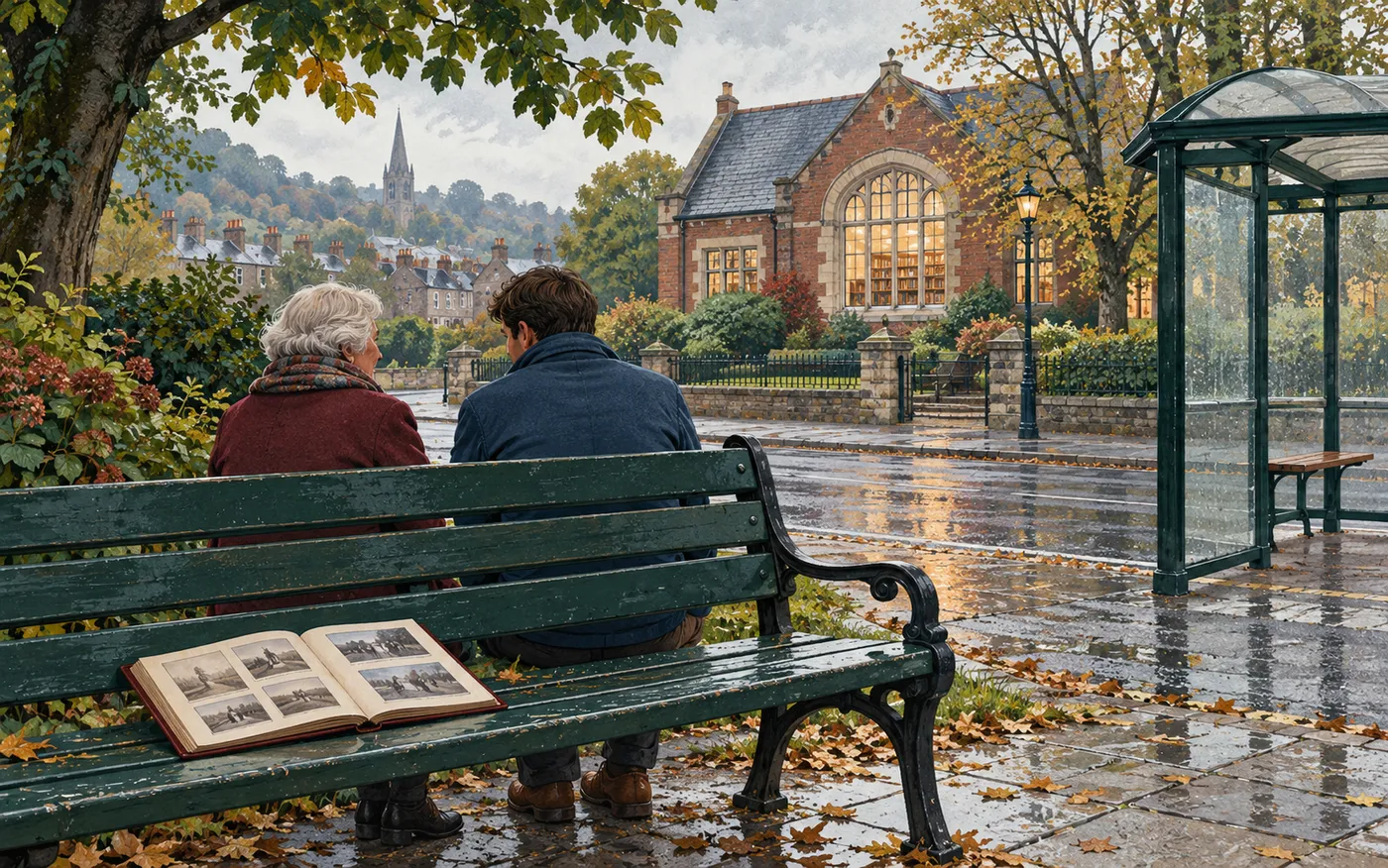
Yet the existence of that loss does not vindicate3 the proposed return. Think of a park bench beside an old bus shelter. You may remember your grandmother waiting there and wish that neighbours still stopped to talk. That memory supports a question about shared space; it cannot settle which transport policy a town needs. The missing conversation and the missing bus are related problems, perhaps, but sentiment supplies neither a timetable nor a budget.
The strongest objection is that nostalgia can serve as a corrective4 to the easy assumption that newer means better. Quite so. A building need not be demolished merely because someone can finance its replacement. But this argument establishes the value of scrutiny, not the authority of age. We should ask what a place enables, whom it welcomes and what its removal would cost. Those questions can defend an old library and challenge an old exclusion with equal force.
The more seductive claim is that an earlier society possessed a single, shared way of life. Shared by whom? The family album rarely includes the person who was never invited into the room. When private recollection becomes public instruction, its blind spots5 cease to be merely private. A promise to restore belonging may quietly make belonging conditional6 on resembling the people in the photograph.
Nor is the alternative an uncritical embrace7 of the present. We can preserve a meeting place, repair a bus shelter and give people time to use both. What deserves recovery is the good that an arrangement made possible, not every condition that accompanied it. Keep the album. Read the minutes. Ask who is absent. The past can enlarge our choices; it should not foreclose8 them.
やさしい言葉で
Nostalgia makes the past look comfortable and leaves out unpleasant details. This becomes a problem when people use a selective memory to decide how society should work.
Memories can give people a sense of connection. A person who misses a meeting place may have lost something valuable, even if their account of the past is too positive.
However, a real loss does not show that returning to an earlier way of life is the right answer. A warm memory of neighbours talking cannot decide a town's transport needs.
Nostalgia can help us question change. But we should judge old and new arrangements by what they offer and whom they include, rather than by their age.
An earlier way of life may have felt shared because some people were excluded. A policy based on private memories can repeat that exclusion.
We can recover useful things from the past while changing unfair conditions. Memories should help us consider more possibilities rather than close them down.