Cheat sheet

Just, already, yet and still: where they go

Place just, already, yet and still correctly with eight rules, a progress-check conversation, common mistakes and a five-question British English quiz.

In short

Put just and usually already between have/has and the past participle: I've just finished. Put yet at the end of a question or negative: Have you finished yet? Still shows that something continues: I'm still working or, for a delayed action, I still haven't finished.

Yellow the idea to rememberBlue English to learnRed watch out

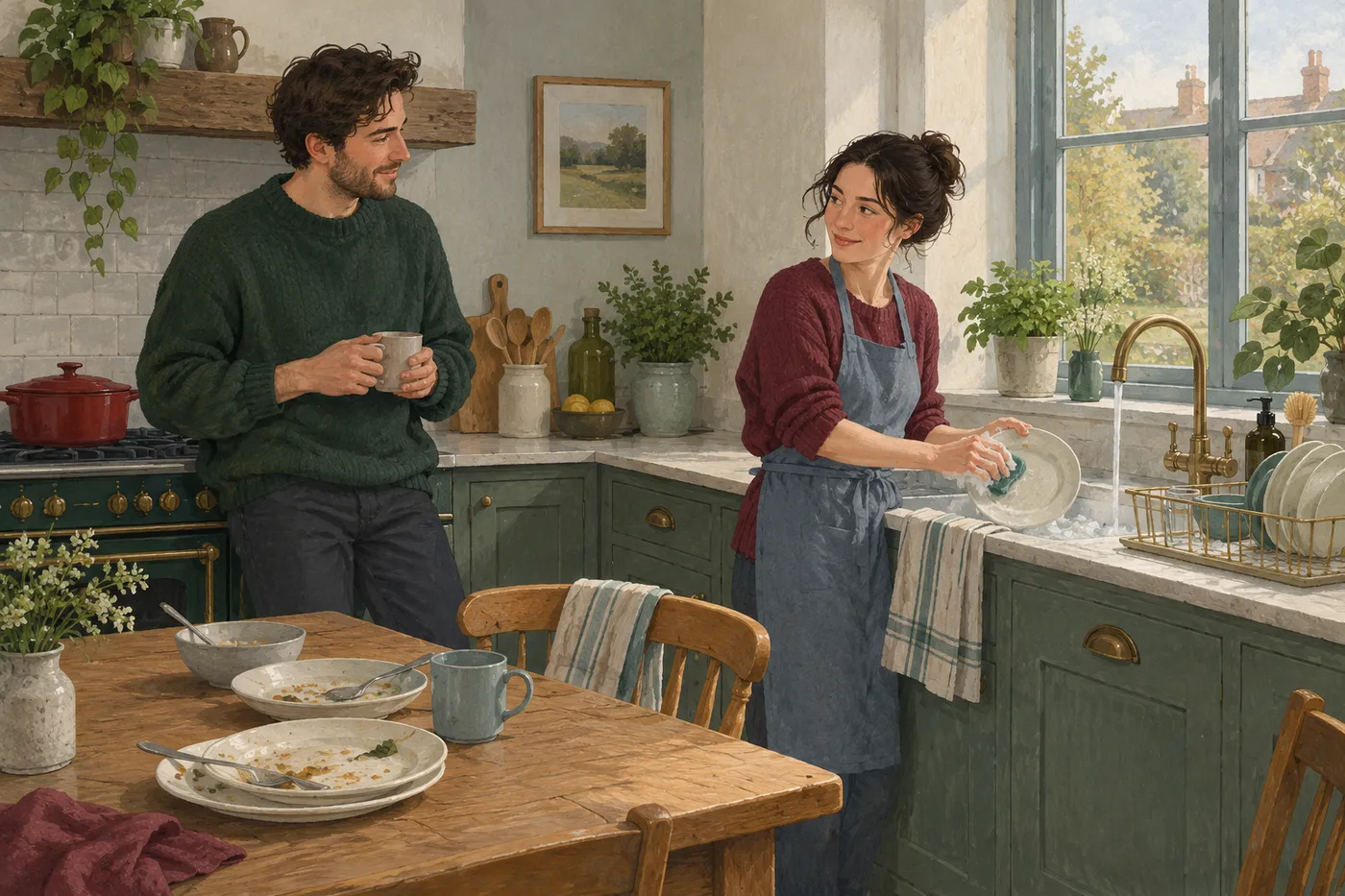
A person washes dishes while clean plates wait on the rack.
The washing up is still in progress, though some plates are clean already. Illustration: Atelier

Where do just, already, yet and still go?

1 · Where does just go?

For something that happened a very short time ago, put just between have/has and the past participle, such as sent, made or finished.

I've just sent the reminder.I sent it a moment ago.

She's just returned the lamp.She returned it a very short time ago.

2 · Where does already go in a statement?

Already means before now, often sooner than expected. Its usual position is between have/has and the past participle. It can also come at the end: I've sent it already.

We've already checked the booking.The check is complete. You can stop worrying about it.

3 · What does already mean in a question?

A question with already often shows surprise that something has happened so soon. Compare a simple check with yet.

Have you already finished?You finished sooner than I expected.

4 · Where does yet go in a question?

Ask if an expected action has happened. Put yet at the end. This is a useful pattern for checking progress.

Have you sent the reminder yet?I want to know if you have sent it.

5 · Where does yet go in a negative sentence?

Put yet at the end. The action has not happened up to now, but you expect it later.

I haven't sent the reminder yet.It is not sent now. I plan to send it later.

6 · Where does still go with an ordinary verb?

Still means something continues. Put it before an ordinary main verb such as live, want or need.

I still need your address.I needed it before, and I need it now.

She still lives in Leeds.She lived there before and lives there now.

7 · Where does still go with be or an auxiliary?

Put still after am/is/are. In a positive verb phrase, it usually goes after the first auxiliary, the helping verb.

The leaflet is still on the desk.Its place has not changed.

I'm still checking the number.I started checking earlier. I am checking now.

We will still need a final check.A final check will be necessary, even after the other work.

8 · Where does still go with haven't or hasn't?

For an action that has not happened, put still before haven't/hasn't. It often shows that the wait is longer than expected.

She still hasn't replied.I expected a reply earlier. There is no reply now.

How does the meaning change?

One job, five different updates
UpdateWhat the listener understands
I've just finished the leaflet.I finished a moment ago.
I've already finished the leaflet.It is complete before now, perhaps sooner than you expected.
I haven't finished the leaflet yet.It is not complete now. I expect to finish it later.
I still haven't finished the leaflet.It is taking longer than expected.
I'm still working on the leaflet.The work continues now.

What do you say when someone checks your progress?

Getting a leaflet ready
  1. Fran

    Have you checked the telephone number yet?

    Fran asks whether this expected job is complete.

  2. Euan

    Yes, I've just checked it. It's correct.

    Euan completed the check a moment ago.

  3. Fran

    Great. I've already checked the map.

    Fran's check is complete too.

  4. Euan

    I'm still waiting for the organiser's reply, though.

    Euan was waiting earlier and continues to wait.

  5. Fran

    Let's wait for that before we print the leaflets.

    They will print after the reply arrives.

Which word-order mistakes should you avoid?

  • I have sent just the reminder.I have just sent the reminder.

    To mean a moment ago, put just before sent. Just the reminder can mean only the reminder, so its position changes the message.

  • Have you yet checked the number?Have you checked the number yet?

    For an everyday progress question, put yet at the end. The mid-position form is formal and much less common.

  • She hasn't still replied.She still hasn't replied.

    Put still before hasn't when you mean a reply is late.

  • I'm yet working on the leaflet.I'm still working on the leaflet.

    Use still for work that continues. Use yet in a question or negative to ask or say whether a step is complete.

Question 1No account needed
You sent the email a moment ago. Choose the sentence that says this.

Choose one answer.

Answer and explanation

I've just sent the email.. Just means a very short time ago. Put it between have and the past participle sent.

Question 2No account needed
Choose the usual everyday order for a progress question.

Choose one answer.

Answer and explanation

Have you returned the lamp yet?. In a neutral everyday question, use Have you + past participle and put yet at the end.

Question 3No account needed
A reply is later than you expected. Choose the clearest sentence.

Choose one answer.

Answer and explanation

She still hasn't replied.. Still hasn't shows the expected reply has not arrived and the wait continues.

Question 4No account needed
Which sentence has the usual position for still with be?

Choose one answer.

Answer and explanation

The door is still open.. The usual neutral order puts still after is: The door is still open.

Question 5No account needed
Someone asks you to check a booking you checked earlier. Which answer fits?

Choose one answer.

Answer and explanation

I've already checked it.. Already tells them the job is complete before now. The other answers say it is unfinished.

Built from