A、an 还是 the?英语冠词讲解
A、an 还是 the?为日常物品、职业、三餐和地点选择英语冠词。比较泛指与特指,再尝试十道题。
要点
冠词是名词前的 a、an 和 the 这些小词。听者不知道具体是哪一个时,用 a/an 表示一个事物;双方都知道具体指哪个或哪些事物时,用 the。泛指复数事物或不可数事物时,不加冠词:Dogs need water. 根据发音选择 a 或 an,不要只看拼写。
黄色 核心要点蓝色 重点英语表达红色 注意陷阱
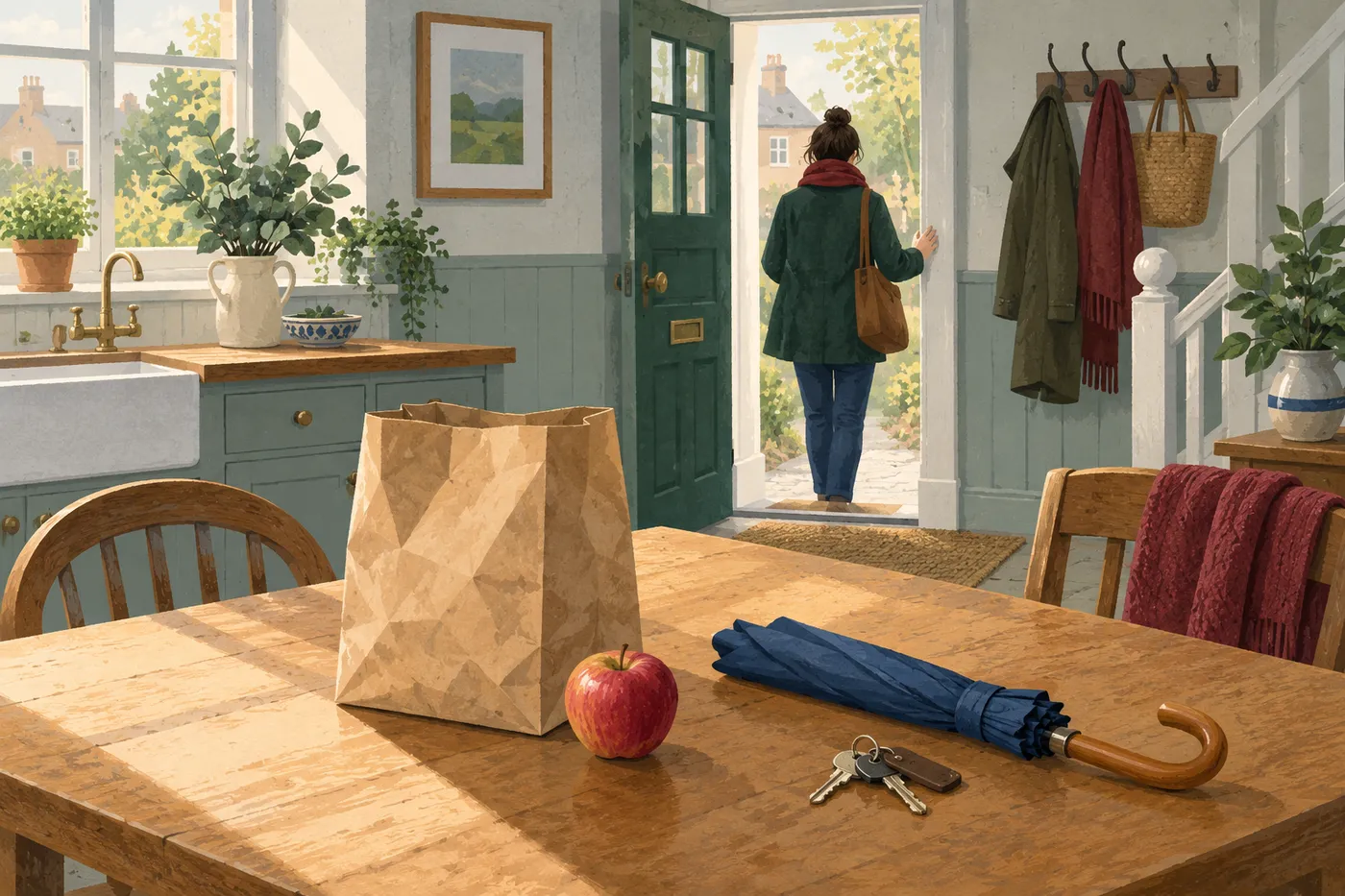
怎样选择 a、an、the,或不加冠词?
先判断:你指一个事物、双方已知的事物,还是泛指事物。名词表示人、地点、事物或概念:teacher、town、bag、time。可数名词可以说 one bag、two bags。
| 问题 | 选择 | 例句 |
|---|---|---|
| 一个可数事物,但不清楚具体是哪一个? | a / an | I need a bag. |
| 听者能判断具体指哪个或哪些事物吗? | the | The bag by the door is mine. |
| 泛指复数事物? | 不加冠词 | Bags are useful. |
| 泛指不可数事物? | 不加冠词 | Water is important. |
There's a wallet on the chair. The wallet is brown.
先引入一个钱包,再谈到同一个钱包。
单数可数名词前通常需要一个词:a bag、the bag、my bag、this bag。说 I need a bag,不说 I need bag。My 和 this 已经起了这个作用,所以说 my bag,不说 the my bag。
什么时候用 a 或 an?
听者还不能判断具体是哪一个人或事物时,在单数可数名词前用 a 或 an。任何一个都可以时,也能这样用。如果你要 a pen,任何一支合适的笔都可以。
| 情境 | 例句 | 含义 |
|---|---|---|
| 引入某件东西 | I bought a bag. | 这是新信息。 |
| 任意要一个 | Have you got a pen? | 哪支笔都可以。 |
| 说明某物是什么 | It's an umbrella. | 说明它属于哪类事物。 |
| 加上描述词 | We need a quiet room. | 一个安静的房间。 |
I'd like an apple, please.
你想要一个苹果,还没有选定具体哪一个。
单数名词搭配 a/an。多于一个时,用复数:an apple、two apples、some apples。水这样的不可数事物,用 some water,或按容器计数:a bottle of water。
a 和 an 有什么区别?
辅音前用 a,元音前用 an。听下一个词的第一个音。字母 a、e、i、o 和 u 是元音字母,但实际发音可能不同。
| 用 a | 用 an | 为什么? |
|---|---|---|
| a bag | an apple | 这些词以不同的音开头。 |
| a university | an umbrella | University 以 y 音开头。 |
| a hotel | an hour | hour 中的 h 不发音。 |
| a useful bag | an old bag | 紧接冠词的是描述词。 |
We waited for an hour outside a university.
Hour 以元音开头,University 以 y 音开头。
职业名称或描述词也遵循同样的规则:an engineer、a good engineer、an excellent engineer。看紧接冠词的词,不要只看最后的名词。
什么时候用 the?
听者能判断你具体指哪个人、地点或事物时,用 the。你可能之前提到过,双方可能都看得到,或名词后面的词说明了具体是哪一个。
| 原因 | 例句 |
|---|---|
| 之前提到过。 | I bought a bag. The bag is blue. |
| 双方都看到同一件东西。 | Please close the door. |
| 后面的词说明具体是哪一个。 | The bag under your chair is mine. |
| 在日常世界中只有一个。 | The sun is shining. |
| 说明位置或顺序。 | This is the first page. |
| 选择最好或最大的那一个。 | This is the best seat in the room. |
I bought a bag and a coat. The bag was cheaper.
外套是新提到的东西,所以仍需要 a。包则是已经提到的那个。
The 表示「你知道是哪一个」,不是「第二句话」。第一次提到时也能用:Where's the kitchen? 在别人家里,情境让你知道指哪个厨房。
Could you pass me the keys on the table?
on the table 这些词说明具体是哪几把钥匙。
The 可以搭配单个事物、多个事物和不可数事物:the bag、the bags、the water in this bottle。名词变复数时,冠词不变。
什么时候不加冠词?
泛指复数名词,以及 water 这样的名词时,不加冠词。「不加冠词」就是没有 a、an 或 the,也叫零冠词。
| 泛指 | 特指 | 有什么变化? |
|---|---|---|
| Rooms need light. | The rooms upstairs need cleaning. | 我们知道具体指哪些房间。 |
| I like apples. | The apples in this bag are sweet. | 指的是这些苹果。 |
| Water is important. | The water in my glass is cold. | 指的是这些水。 |
| Information is useful. | The information in this email is useful. | 指的是这条信息。 |
Music helps me relax. I like the music in this cafe.
第一句泛指音乐,第二句指这里正在播放的音乐。
要写简单的泛指句,可以用复数:Cats sleep a lot. 也可以说 A cat needs a safe place to sleep,用一只猫代表所有猫。不确定时,先用复数句型。
有些英语名词表示不可分开计数的事物:rice、money、advice、information。说 some advice 或 a piece of advice。information 或 advice 前不要用 a/an。
职业名称搭配 a 或 an 吗?
用单数职业名词说明某人的职业时,加 a 或 an。回答 What do you do? 时,说 I'm a teacher、I'm a nurse 或 I'm an engineer。
| 一个人 | 多于一个人 |
|---|---|
| She's a teacher. | They're teachers. |
| He's an engineer. | They're engineers. |
| I'm a nurse. | We're nurses. |
My sister is an engineer. She's the engineer who fixed our lift.
先说她的职业,再说明具体是哪位工程师。
指某个已知的人时,职业名称也能搭配 the:The receptionist gave me a form. 职业本身并不决定冠词;仍要看听者知道什么。
breakfast、lunch 和 dinner 要加冠词吗?
breakfast、lunch 和 dinner 表示平常的三餐时,不加冠词。说 have breakfast、after lunch 和 before dinner。具体某一餐可以加 a 或 the。
| 含义 | 例句 |
|---|---|
| 平常的一餐 | I have breakfast at seven. |
| 描述某一餐 | We had a lovely dinner. |
| 双方都知道的某一餐 | The dinner you cooked was delicious. |
| 泛指食物 | I like rice. |
| 特定的一份食物 | The rice in this bowl is cold. |
We had lunch at one. It was a quick lunch.
第一部分说明是哪一餐,第二部分描述那一餐。
描述词可以改变句型:breakfast,但说 a big breakfast;dinner,但说 an early dinner。仍根据下一个音选择 a/an。
地点名称要加 the 吗?
大多数国家和城镇名称不加冠词,但有些名称和地点表达用 the。把常见名称作为完整短语来记。例如,说 France 和 London,但要说 the UK。
| 不加冠词 | 加 the |
|---|---|
| France, Japan, Wales | the UK, the United States, the Netherlands |
| London, Cardiff | the Thames, the Atlantic Ocean |
| Lake Windermere | the Alps |
| go home, at home, at work | go to the station, at the bus stop |
She lives in London, near the Thames.
城市名称不加冠词,河流名称用 the。
有些地点表达会随人在那里做什么而变化。在英式英语中,at school 表示以学生身份在校;in hospital 可以表示以病人身份住院。特定的建筑物或地点用 the。
| 通常的活动或身份 | 特定的地点 |
|---|---|
| Mia is at school. | I'll meet you outside the school. |
| Ben is in hospital as a patient. | The hospital is near the station. |
| Leila is at university. | The university has a new library. |
My brother is in hospital. I'm going to the hospital to visit him.
他是病人。我指的是他住的那家医院。
美式英语中,病人住院通常用 in the hospital。不同地点词的短语用法不同:分别记住 at school、at work、at home 和 at the station。
哪些冠词错误需要检查?
检查名词指一个事物、已知事物,还是泛指事物。
- She's engineer.She's an engineer.
这里的单数职业名词需要 a/an。Engineer 以元音开头。
- We waited for a hour.We waited for an hour.
hour 中的 h 不发音,元音前选 an。
- I need an advice.I need some advice.
Advice 在英语中不可数。也可以要 a piece of advice。
- I live in the London.I live in London.
城市名称 London 不加冠词。
- Where is the my bag?Where is my bag?
My 已经说明是谁的包,直接用 my bag。
你能选对冠词吗?
选择一个答案。「No article」表示空格不填词。