Cheat sheet

Stop doing or stop to do? Verbs that change meaning

Compare stop doing or stop to do and other verb patterns that change meaning, with clear examples, common mistakes and a quiz to test your choices.

In short

Stop doing means end an activity; stop to do means pause another activity so you can do something else. With remember, try, forget and regret, the next verb also changes the meaning: choosing the other pattern can change your message.

Yellow the idea to rememberBlue English to learnRed watch out

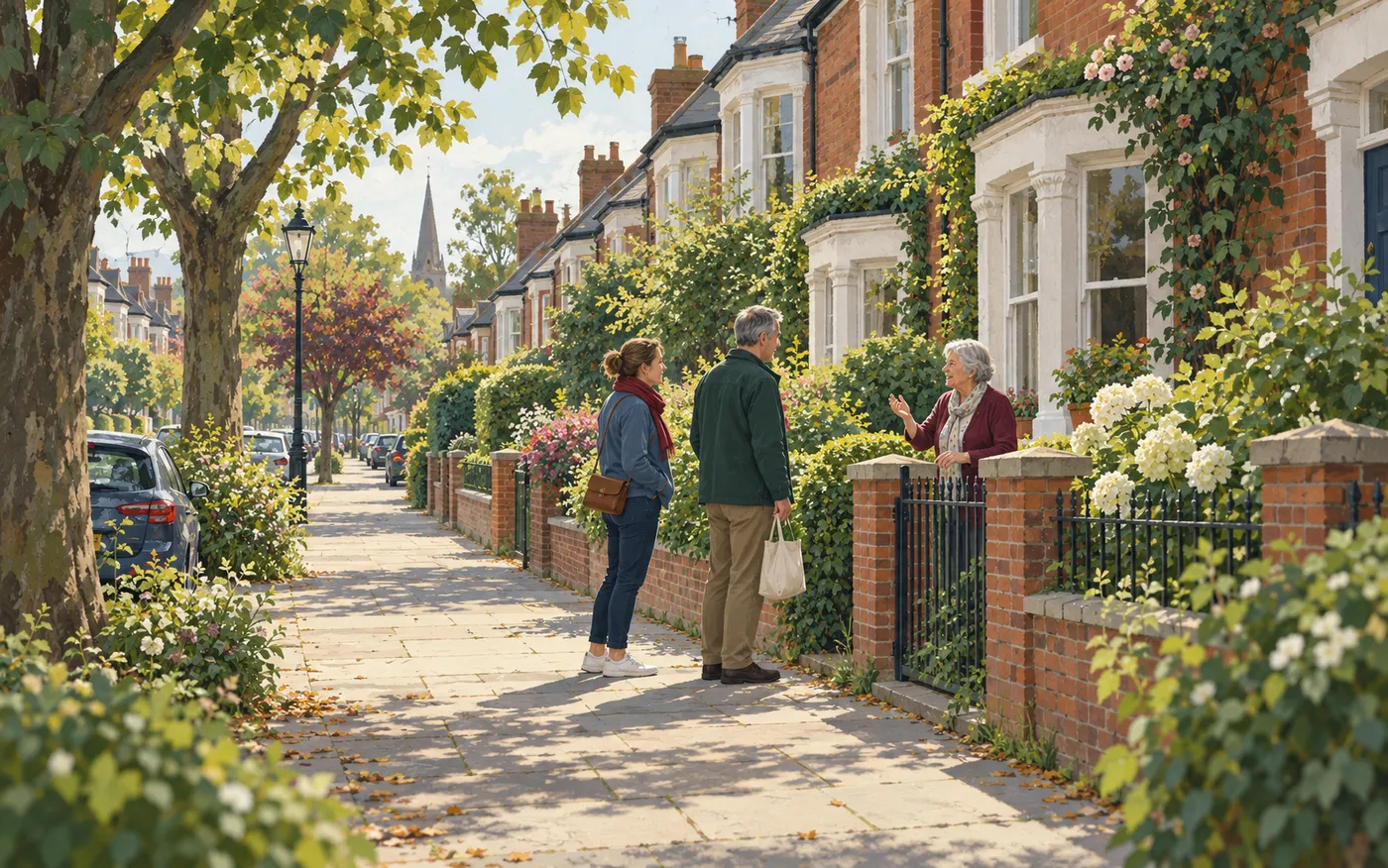
Two walkers stop to talk with a neighbour outside a terraced house.
They pause their walk to speak: We stopped to talk. Illustration: Atelier

How does the meaning change after these five verbs?

-ing or to + verb: six checks

1 · Do you stop the activity or stop for another reason?

Stop + -ing: you end that activity. Stop + to + verb: you pause something else because you want to do this new action.

We stopped talking when the film began.We were talking. Then we became quiet.

On the way home, we stopped to talk to a neighbour.We paused our journey so we could talk.

2 · Do you remember a past event or remember a job?

Remember + -ing: you have a memory of something that happened. Remember + to + verb: you remember a job before you do it.

I remember locking the door.I have a memory of turning the key.

I remembered to lock the door.I did not forget. I locked it before leaving.

3 · Do you try a possible solution or make an effort?

Try + -ing: do something to see if it helps. Try + to + verb: make an effort to do something. The sentence can tell you whether you succeeded.

I tried restarting the computer, but it was still slow.I restarted it to see if that would help.

I tried to lift the box, but it was too heavy.I made an effort, but I could not lift it.

4 · Do you forget a memory or forget a job?

Forget + -ing is about losing the memory of a past event. You often see never forget + -ing for a strong memory. Forget + to + verb means you did not do a job because you did not remember it.

I'll never forget seeing the sea for the first time.I saw it, and I will always remember that moment.

I forgot to send the email.I did not send it because I did not remember.

5 · Are you sorry about an action or giving bad news?

Regret + -ing: you did something and now feel sorry about it. Regret + to tell / inform: you are sorry to give bad news. The second pattern is formal.

I regret buying such an expensive coat.I bought it. Now I think it was a bad choice.

We regret to inform you that your application was unsuccessful.We are sorry to tell you that you did not get the place or job.

6 · Which verb shows the time?

Change the first verb to show the time. Keep the second verb in the pattern you need. After to in these patterns, use the base form: to call, rather than to called.

I remembered to call Jo yesterday.Past: I did the job yesterday.

I'll remember to call Jo tomorrow.Future: I say I will do the job tomorrow.

Which mistakes change what you mean?

  • Please remember buying some milk on your way home.Please remember to buy some milk on your way home.

    This is a job for later. Use remember to buy. Remember buying is about a memory of an earlier purchase.

  • I forgot meeting her at the station, so she waited for an hour.I forgot to meet her at the station, so she waited for an hour.

    Use forgot to meet for a missed job: you did not go to the station. A missed job and a lost memory are different. Forget meeting is about losing the memory of a meeting that happened.

  • We stopped to talking.We stopped talking.

    Use stopped talking if the conversation ended. If you paused something else for a conversation, say We stopped to talk.

Choose the meaning before the form. For a memory, ask whether the event has already happened. For try, ask whether you mean an effort or a possible solution. For stop, name the activity that ends.

Can you choose the pattern for each meaning?

1 · Complete each sentence using the verb and meaning in the hint

  1. We stopped when the film started. Nobody spoke after that. (talk - end the activity)
  2. On our walk, we stopped some water, then carried on walking. (buy - pause the walk for this purpose)
  3. I remember Ali at the conference last year. I can still picture his bright green jacket. (meet - a memory of a past event)
  4. I remembered the invitation, so everyone received it on time. (send - do the job rather than forget)
  5. The door was stuck. I tried it, but I couldn't move it at all. (open - make an effort)
  6. The screen was frozen. I tried the computer, and that solved the problem. (restart - test a possible solution)
  7. I forgot my notebook. It's still on my desk at home. (bring - miss a job because you forget)
  8. I'll never forget my name announced as the winner last year. (hear - keep a strong memory)
  9. I regret this chair. It was too expensive. (buy - feel sorry about a finished action)
  10. We regret you that your booking has been cancelled. (inform - formally announce bad news)

Can you explain the difference?

Question 1No account needed
'We stopped to take a photo.' What happened?

Choose one answer.

Answer and explanation

We paused another activity so we could take a photo.. Stopped to take gives the reason for pausing another activity, such as walking.

Question 2No account needed
'I remembered paying for the tickets.' What does the speaker describe?

Choose one answer.

Answer and explanation

A memory of a payment they had already made.. Remembered paying is about a memory. The payment happened before the act of remembering.

Question 3No account needed
'Try moving the table nearer the window.' What does the speaker suggest?

Choose one answer.

Answer and explanation

Move it to see if the new position helps.. Try moving suggests testing a possible solution. You can see whether the new position is better.

Built from