القراءة

قراءة إنجليزية بمستوى C2: مقتطف أدبي وأسئلة

جرّب قراءة إنجليزية بمستوى C2 مع The spare key، وهو مقتطف من 398 كلمة، وثمانية شروح وخمسة أسئلة عن المسافة السردية والأشياء المتكررة والنهاية.

باختصار

لقراءة الإنجليزية الأدبية بعناية، تتبّع ما يحدث وكيف يعرضه الراوي معًا. قد يربط غرض متكرر الأفعال بتغيّر في الموقف. يربط spare key هنا بين الدخول والسيطرة والتردد؛ وليس شرح الراوي لمشاعر Mara رواية Mara نفسها عنها.

أصفر الفكرة الجديرة بالتذكّرأزرق تعبير إنجليزي للتعلّمأحمر انتبه

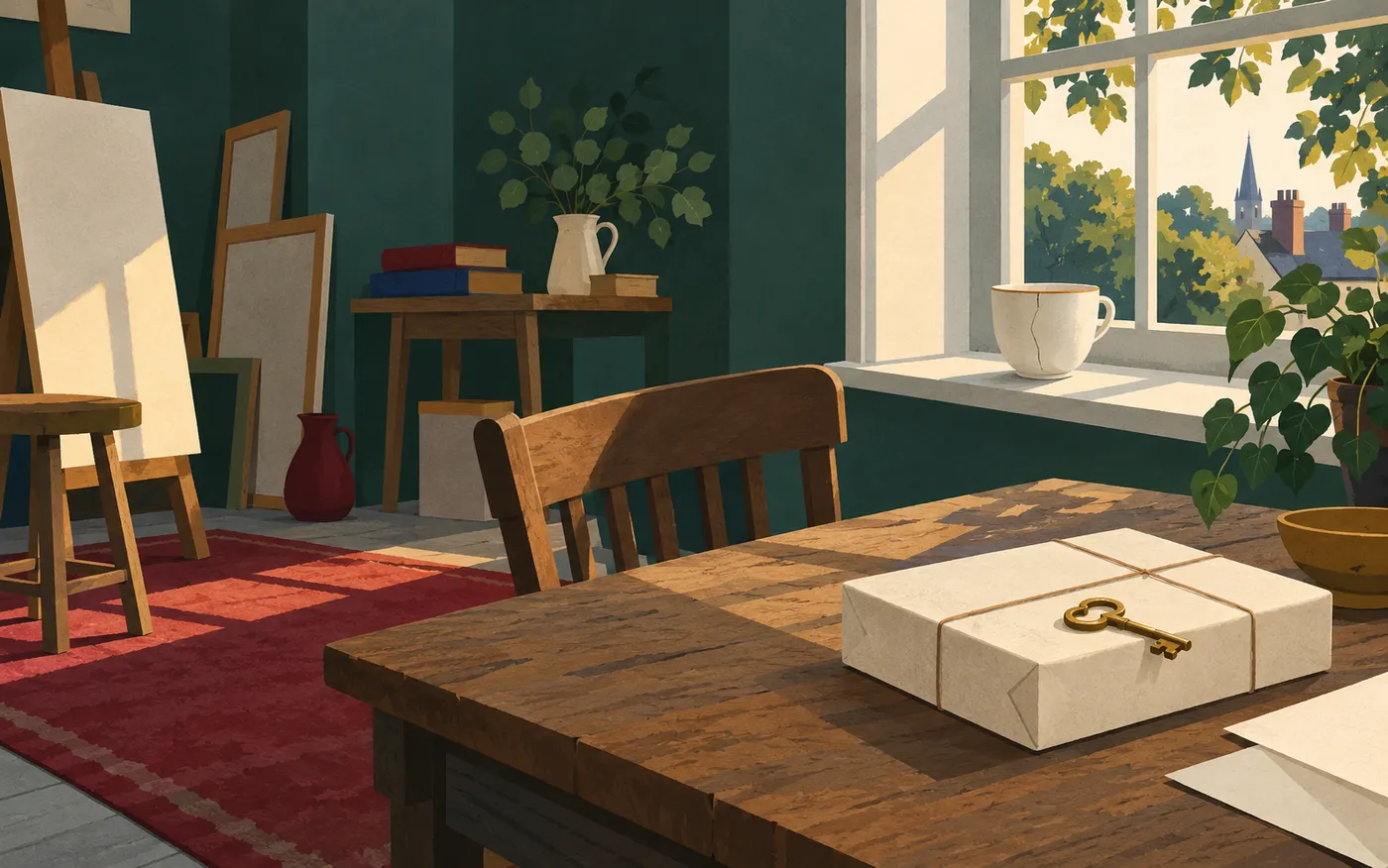
مفتاح نحاسي على طرد بلا كتابة بجانب كوب مشروخ على حافة نافذة.
يبيّن المفتاح الاحتياطي والكوب المشروخ كيف يعيد الراوي النظر في progress. رسم توضيحي: Atelier

اقرأ المقتطف مرة لتتبّع الأحداث. وفي القراءة الثانية، لاحظ أين ينتقل المفتاح ومتى يبدأ الراوي بمساءلة كلمة progress. تشرح الحواشي المرقّمة ثماني كلمات وعبارات.

دفتر C2، الوحدة 92

The spare key

I called it progress because progress fitted on the label1. The room had been called the back room for thirty years, which sounded less like a purpose than an apology. We were turning it into a studio. I had ordered the new sign, the sort with letters that stand slightly away from the wall and cast shadows of their own. When the parcel arrived, I put the spare key on top of it so that nobody would open the box by mistake.

Mara came on Thursday to collect the cups. There were seven, though I had written six in the inventory2. One had a crack so fine3 that you had to know where it was before you could see it. She held that one against the light, and I explained that we had bought matching mugs for the studio. "Of course you have," she said. I decided she was pleased that we had thought of everything. It was convenient to decide that before she had finished speaking.

The spare key moved from the parcel to the windowsill4, from the windowsill to a drawer, and from the drawer to my pocket. Whenever someone asked where a thing belonged, I found myself touching it. I could answer questions about shelves and sockets. I knew which cupboard would become which cupboard. It had not occurred to me that a room might contain arrangements5 that were not furniture, or that an inventory could be exact and still leave something out.

At closing time, Mara asked whether Thursday afternoons would continue. I told her the studio timetable was still being finalised6. This was true in the narrow, dependable7 way that a locked drawer is closed. The timetable had no empty box marked Thursday afternoons. I called it progress. I did not ask who had to leave. When she put the cracked cup back on the shelf, the small sound seemed to require an answer, though it was not a question.

After she left, I took out the spare key. It was the same length as before and no heavier. I could have left it on the desk. Instead, I wrote "keep" on an unused label and looped8 it through the ring. I am not sure whom that instruction was for. The new sign was still in its box. For the first time that week, I did not open something merely because I could.

بكلمات أبسط

The narrator is changing an old back room into a studio and calls this progress. A new sign arrives in a parcel. The narrator puts a spare key on the parcel to stop anyone opening it by mistake.

Mara comes for the cups. The narrator has counted them incorrectly. One cup has a thin crack. Mara's short reply about the new mugs is unclear, but the narrator chooses to hear it as praise.

The narrator keeps moving the key closer, finally putting it in a pocket. Questions about objects are easy to answer. Questions about the activities and relationships in the room have received less thought.

Mara asks about the future of Thursday afternoons. The narrator says the timetable is unfinished, although it leaves no space for them. The sound of her putting the cup down makes the narrator feel a response is needed.

The narrator labels the key with the word keep, but is unsure who should follow that instruction. The sign stays in its box. The narrator pauses instead of using the key simply because it is available.

ما الأشياء التي ينبغي تتبّعها أثناء القراءة؟

أربعة تفاصيل ملموسة في المقتطف

كيف يكشف الراوي أكثر مما يقصد؟

انظر إلى الصياغة، ثم أثرها
التفصيلما يوحي به
It was convenient to decide that before she had finished speaking.يقبل الراوي تفسيرًا مريحًا لردّ فعل Mara بسرعة أكبر مما ينبغي.
from the parcel to the windowsill ... to my pocketتضع الحركة المتكررة المفتاح تحت سيطرة الراوي الشخصية.
true in the narrow, dependable way that a locked drawer is closedقد تكون العبارة دقيقة، ومع ذلك تستبعد قلق Mara الحقيقي.
I did not ask who had to leave.يقطع اعتراف قصير ومباشر شروح الراوي الواثقة السابقة.

تعني Narrative distance الفجوة بين الشخص الذي يروي القصة ونسخته المشاركة في الأحداث. هنا، ينظر الراوي إلى الوراء ويلحظ أفعال تجنّب سابقة. وتساعدنا كلمات مثل convenient على رؤية هذه الفجوة.

I called it progress because progress fitted on the label.

يختار الراوي اسمًا مرتبًا قبل استكشاف كلفة التغيير.

لاحقًا، تعود العبارة نفسها I called it progress بجانب I did not ask who had to leave. ويغيّر التكرار وقع الجملة الأولى لدينا.

المفتاح motif: تفصيل يعود ويكتسب معنى. فهو يميّز أولًا صندوقًا ينبغي للآخرين تركه مغلقًا، ثم يستقر في جيب الراوي. وفي النهاية، قد تتعلق keep بالمفتاح أو باستخدامات الغرفة السابقة أو بشيء لا يستطيع الراوي تسميته بعد. ادعم تفسيرًا بتفصيل، ثم اختبره على ضوء النهاية.

ماذا تستطيع استنتاجه من المقتطف؟

السؤال 1لا تحتاج إلى حساب
لماذا تجعلنا استجابة الراوي لـ Mara نتساءل عن الرواية؟

اختر إجابة واحدة.

الإجابة والشرح

The narrator decides she is pleased before she has finished speaking.. يصف الراوي القرار بأنه convenient. ويكشف هذا الاعتراف رغبة في تجنّب سماع استجابة أقل راحة.

السؤال 2لا تحتاج إلى حساب
إلامَ توحي حركة المفتاح نحو جيب الراوي بأقوى صورة؟

اختر إجابة واحدة.

الإجابة والشرح

Growing personal control over access and decisions.. يظلّ الراوي يلمس المفتاح حين يسأل الناس عن مواضع الأشياء. وتربط حركته نحو الجيب الدخول بالسيطرة الشخصية.

السؤال 3لا تحتاج إلى حساب
ما أثر مقارنة عبارة الجدول بدرج مقفل؟

اختر إجابة واحدة.

الإجابة والشرح

It makes a technically true answer feel closed and unhelpful.. الجدول غير المكتمل حقيقي، لكن لا مكان فيه لفترات بعد ظهر الخميس. وتكشف صورة الإغلاق ما تتجنّبه الإجابة.

السؤال 4لا تحتاج إلى حساب
أي تفسير للفقرة الأخيرة يحظى بأقوى دعم؟

اختر إجابة واحدة.

الإجابة والشرح

The narrator begins to hesitate, but the practical problem remains open.. يتوقف الراوي ويتساءل عن معنى الملصق. ولا يعطي النص قرارًا بشأن الجدول، لذا فالتغيير بداية.

السؤال 5لا تحتاج إلى حساب
أي عبارة تصف ردّ Mara «Of course you have» بأفضل صورة؟

اختر إجابة واحدة.

الإجابة والشرح

The words alone leave room for more than one attitude.. قد يحمل الرد القصير مواقف مختلفة. ويعطينا تفسير الراوي المريح سببًا للتشكيك فيه.

كيف تكتب استجابة تحليلية قصيرة للقراءة المتأنّية؟

ابنِ استجابة من ثلاث جمل

  • اذكر تفسيرًا واحدًا لموقف الراوي من الغرفة.
  • اقتبس عبارة قصيرة واشرح كيف تدعم صياغتها ذلك التفسير.
  • استخدم النهاية لتدقيق فكرتك: اشرح ما تغيّر وما بقي بلا حل.

مُعدّ انطلاقًا من