句動詞とは:仕組みと覚え方
40の役立つ句動詞、目的語の置き方、動作の絵、10の問題で句動詞を学びましょう。意味を覚え、日常の英語で使います。
要点
句動詞は、動詞にup、off、outなどの短い語を組み合わせたものです:get up、turn off、find out。この短い語は不変化詞と呼ばれ、意味を作るのを助けます。日常会話、メッセージ、仕事で使います:Please turn it off. We need to find out.。意味と文のパターン全体を、一緒に覚えましょう。
黄色 覚えておきたい要点青色 身につけたい英語表現赤色 注意点
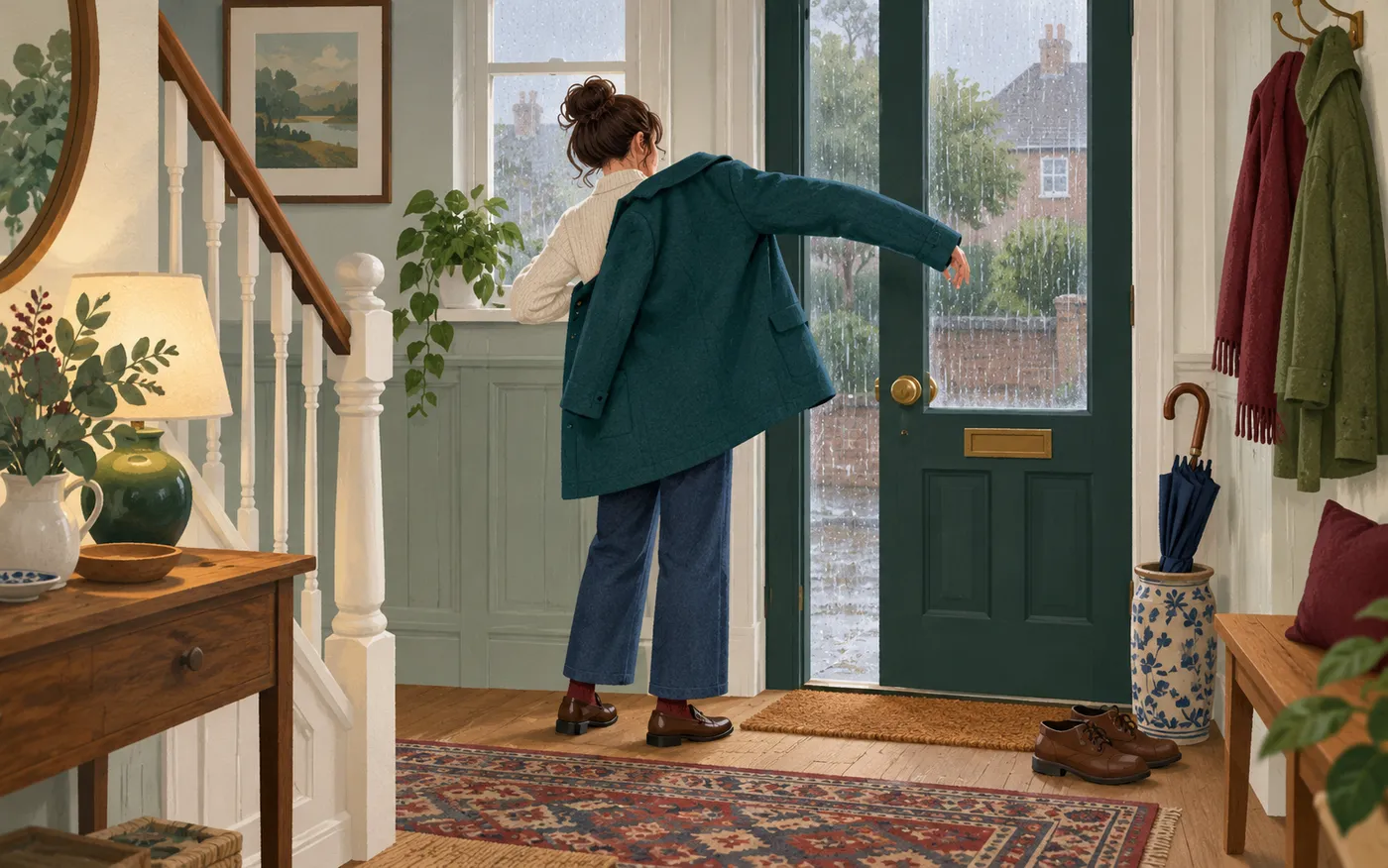
句動詞とは何で、不変化詞は何をしますか?
動詞と不変化詞は、離れていても、一緒に1つの意味を表します。Sit downは動作、give upは努力をやめることを表します。不変化詞は、どこでも同じ1つの意味になるわけではありません。
| 動詞 | 意味 | 例 |
|---|---|---|
| take off | 服を脱ぐ | Take your coat off. |
| take up | 活動を始める | I've taken up swimming. |
| take after | 家族の誰かに似ている | She takes after her dad. |
| take off | 地面を離れる | The plane took off on time. |
学習書では、look afterやput up withも句動詞と一緒に扱うことがよくあります。各表現が何を意味し、目的語をどこに置くか考えましょう。
The plane took off at six.
飛行機は6時に離陸しました。
Take your coat offと比べましょう。同じ動詞でも、別の意味です。
句動詞の目的語はどこに置きますか?
動詞と意味によって、目的語は間、または表現の後に置きます。目的語は動作の対象の人や物です。turn off the lampでは、the lampが目的語です。
| パターン | 名詞を使う場合 | 代名詞を使う場合 |
|---|---|---|
| 分離可能:目的語を間に置ける | Turn off the lamp. / Turn the lamp off. | Turn it off. |
| 分離不可:語を離さずに使う | Look after the children. | Look after them. |
| 目的語なし | The plane took off. | It took off. |
Please turn the lamp off. Please turn it off.
どちらも、ランプを消すよう相手に頼んでいます。
分離できる動詞では、it、them、him、herを間に置きます。
Can you look after them on Friday?
金曜日に、その人たちの世話をできますか?
turn something offやlook after somebodyなど、辞書のパターンを覚えましょう。長い目的語は、不変化詞の後に置くことがよくあります:Turn off the lamp next to the window。
look forward toのような3語の動詞はどう使いますか?
3つの部分を離さず、目的語をその後に置きます:I'm looking forward to the weekend。最後の語も覚えましょう。抜かすと、パターンが崩れることがあります。
| 表現 | 意味 | 例 |
|---|---|---|
| put up with something | 不快なことを我慢する | I can't put up with this noise. |
| look forward to something | これからの出来事を楽しみにする | I'm looking forward to the holiday. |
| run out of something | 何かを使い切る | We've run out of paper. |
| get on with somebody | よい関係にある | I get on with my neighbours. |
I'm looking forward to seeing you.
これから会うことを楽しみにしています。
look forward toの後には、名詞か-ing形を使います。
日常の英語で役立つ40の句動詞は何ですか?
この40の動詞は、日常の場面で使います。各行に意味を1つ示します。「間」(Middle)は目的語を間に置けること、「後」(after)は表現の後に置くこと、「なし」(none)は目的語がないことを示します。ほかの意味では、パターンが変わることもあります。
| 動詞 | 意味 | 目的語 | 例 |
|---|---|---|---|
| wake up | 眠りから覚める | なし | I woke up at seven. |
| get up | ベッドから起きる | なし | We get up early on Mondays. |
| put on | 服などを身に着ける | 間 | Put your coat on. |
| take off | 服を脱ぐ | 間 | Take your shoes off. |
| turn on | 機器の電源を入れる | 間 | Turn the light on. |
| turn off | 機器の電源を切る | 間 | Please turn your phone off. |
| tidy up | 場所を片付ける | 間 | We tidied the kitchen up. |
| throw away | ごみ箱に入れる | 間 | Don't throw that receipt away. |
| 動詞 | 意味 | 目的語 | 例 |
|---|---|---|---|
| set off | 旅を始める | なし | We set off before breakfast. |
| get on | バスや列車に乗る | 後 | Get on the bus here. |
| get off | バスや列車を降りる | 後 | Get off the train at York. |
| get in | 車やタクシーに乗り込む | 後 | Get in the taxi. |
| get out of | 車やタクシーから降りる | 後 | She got out of the car. |
| pick up | 人を迎えに行く、物を受け取りに行く | 間 | I'll pick you up at six. |
| drop off | 人をある場所へ送り、そこで降ろす | 間 | Can you drop me off at the station? |
| come back | 戻る | なし | What time did you come back? |
| 動詞 | 意味 | 目的語 | 例 |
|---|---|---|---|
| look after | 世話をする | 後 | I'm looking after my sister's cat. |
| get on with | よい関係にある | 後 | I get on with my flatmates. |
| fall out with | 口論の後、仲が悪くなる | 後 | He fell out with his brother. |
| meet up | 約束して会う | なし | Let's meet up after work. |
| go out | 人と楽しむために外出する | なし | We're going out this evening. |
| take up | 趣味や活動を始める | 間 | She's taken up cycling. |
| give up | 何かをするのをやめる | 間 | I've given up sugar. |
| look forward to | これからの出来事を楽しみにする | 後 | I'm looking forward to the weekend. |
| 動詞 | 意味 | 目的語 | 例 |
|---|---|---|---|
| put away | いつもの場所にしまう | 間 | Put the plates away, please. |
| try on | サイズが合うか、服を着て確かめる | 間 | Can I try this jacket on? |
| run out of | 何かを使い切る | 後 | We've run out of milk. |
| break down | 動かなくなる | なし | The car broke down yesterday. |
| look for | 見つけようとする | 後 | I'm looking for my keys. |
| look up | 本やインターネットで情報を調べる | 間 | Look the word up in a dictionary. |
| fill in | 用紙に記入する | 間 | Please fill this form in. |
| put up with | 不快なことを我慢する | 後 | I can't put up with the noise. |
| 動詞 | 意味 | 目的語 | 例 |
|---|---|---|---|
| find out | 情報を知る | 間 | I need to find out the price. |
| work out | 考えて答えを見つける | 間 | Can you work this out? |
| sort out | 解決したり、整理したりする | 間 | Let's sort the problem out. |
| put off | 後の時点にずらす | 間 | We've put the meeting off until Tuesday. |
| call off | 中止する | 間 | They called the match off. |
| bring up | 話題を持ち出す | 間 | She brought the issue up at lunch. |
| carry on | 続ける | なし | Please carry on while I answer the phone. |
| hand in | 完成した仕事を人に提出する | 間 | I handed my report in yesterday. |
We put the meeting off until Tuesday.
会議を火曜日に移しました。
Put offは計画の延期、Call offは中止です。
どの句動詞を思い浮かべられますか?
put on a coatやturn off a lampなどの動作は、思い浮かべやすいものです。何が起きているか言ってから、目的語をitに置き換えてみましょう。
思い浮かべる4つの動作
探すもの:
使えるようになるには、句動詞をどう学びますか?
身近な場面で、動詞を少しずつ、意味と例文を1つずつ覚えましょう。コースのプリンターの問題を試します。プリンターは紙を使い切っている(run out of)ので、電源を切り(turn it off)、問題を解決します(sort out)。
| 手順 | 試すこと |
|---|---|
| 場面を選ぶ | 移動について、動詞を3つ使いましょう。 |
| パターンを記録する | 「pick someone up」と書きましょう。 |
| 目的語を変える | 「Sam」を「him」に変えましょう。 |
| 時点を変える | 「pick」を「picked」に変えましょう。 |
| 後で思い出す | 隠して、明日もう一度試しましょう。 |
I picked her up at the station yesterday.
駅で彼女を迎えました。
pickをpickedに変え、upは保ちます。
意味、パターン、形を辞書で確認しましょう。過去形には、got、took、broughtなどがあります。次に、予定についてのメッセージで動詞を使います。
仕事や改まった文章でも、句動詞を使えますか?
はい。多くの句動詞は、仕事で自然に使えます。読み手に合う語を選びましょう。Find outとcarry outは、仕事の英語でよく使います。1語の動詞で、報告がより明確になることもあります。
| 日常的な言い方 | より改まった言い方 |
|---|---|
| put off the meeting | postpone the meeting |
| call off the event | cancel the event |
| look into the problem | investigate the problem |
| carry out the checks | perform the checks |
We need to sort out the room change before we contact everyone.
まず、部屋の問題を解決する必要があります。
正式な報告なら、resolve the room issueを試しましょう。
句動詞で最もよくある間違いは何ですか?
よくある間違いは、目的語の位置、不変化詞の抜け、動詞の形です。表現全体を確認しましょう。
- Please turn off it.Please turn it off.
分離できる動詞では、代名詞を間に置きます。 turn it offを使います。
- I'll look the children after.I'll look after the children.
look afterを離さず使い、the childrenを表現全体の後に置きます。
- I'm looking forward to see you.I'm looking forward to seeing you.
look forward toのtoの後には、名詞か-ing形を続けます。
- We've run out paper.We've run out of paper.
run out ofの3つの部分をすべて覚えましょう。使い切った物は、ofの後に続きます。
- She taked her coat off.She took her coat off.
takeの過去形はtookです。変わるのは動詞本体だけで、offはそのままです。
新しい句動詞ごとに、何を記録するとよいですか?
使える意味、パターン、例を記録しましょう。
意味と正しい語順を選べますか?
毎回、答えを1つ選びましょう。状況と文のパターンを手掛かりにします。