短语动词:是什么,怎样学
通过 40 个实用短语动词、宾语结构、动作图片和十道题,了解短语动词的含义,并在日常英语中使用。
要点
短语动词由动词和 up、off、out 等小词组成,例如 get up、turn off、find out。这些小词叫作小品词,参与构成整个表达的意思。日常对话、消息和工作中都可以用到这些动词:Please turn it off. We need to find out. 把词义和完整的句子结构一起学。
黄色 核心要点蓝色 重点英语表达红色 注意陷阱
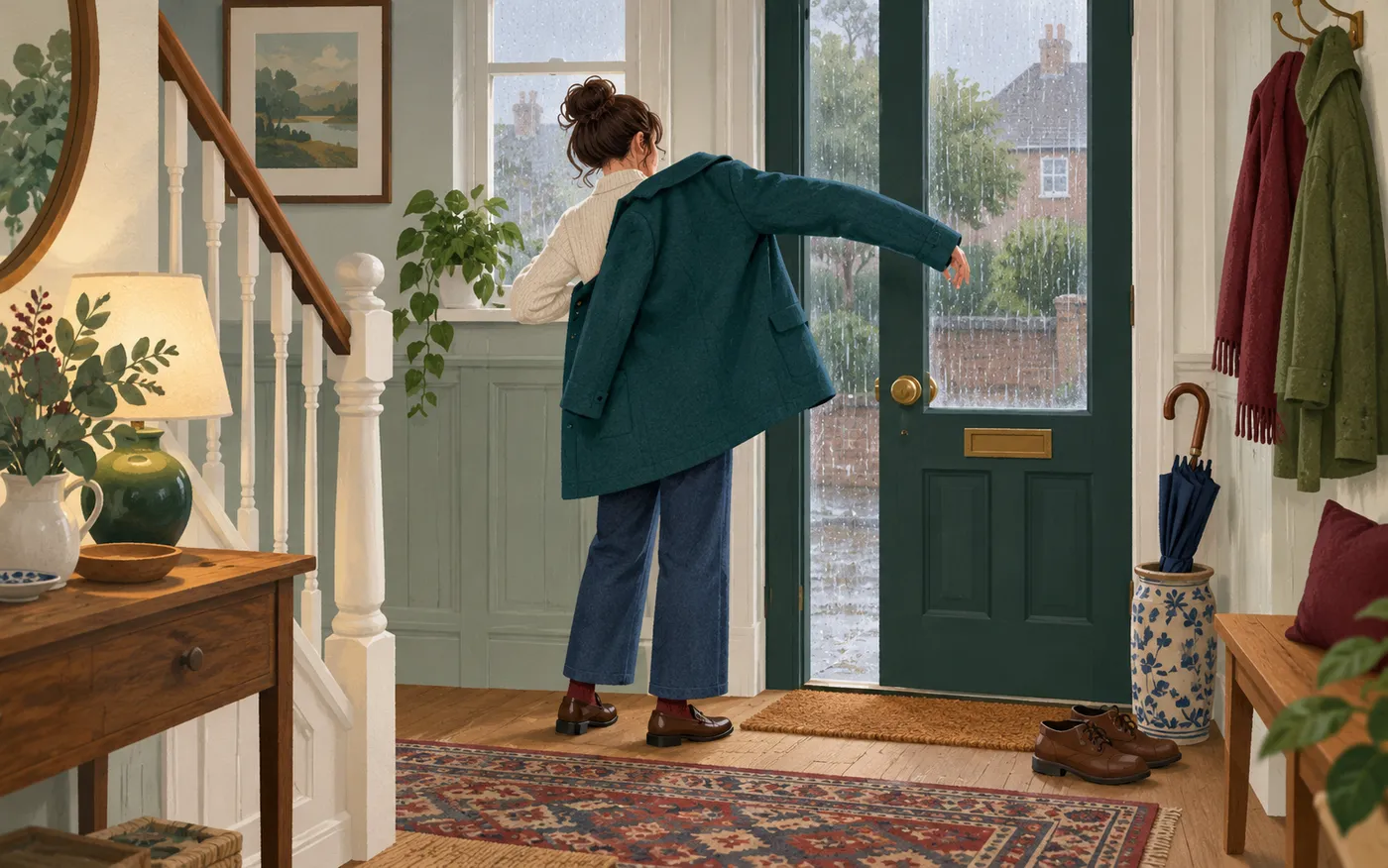
什么是短语动词?小品词有什么作用?
动词和小品词共同构成意思,即使两者分开也是如此。Sit down 描述坐下的动作;give up 表示停止尝试。一个小品词并不是在所有地方都只有同一种含义。
| 动词 | 含义 | 例句 |
|---|---|---|
| take off | 脱下衣物 | Take your coat off. |
| take up | 开始一项活动 | I've taken up swimming. |
| take after | 像家里的某个人 | She takes after her dad. |
| take off | 离开地面起飞 | The plane took off on time. |
学习用书常把 look after 和 put up with 也归在短语动词中。学习时,要弄清每个表达的意思,以及宾语放在哪里。
The plane took off at six.
飞机六点离地起飞。
比较 Take your coat off:动词相同,意思却不同。
短语动词的宾语放在哪里?
根据动词及其含义,宾语可能放在中间,也可能放在整个表达之后。宾语是动作涉及的人或事物,例如 turn off the lamp 中的 the lamp。
| 结构 | 使用名词时 | 使用代词时 |
|---|---|---|
| 可分:宾语可以放在中间 | Turn off the lamp. / Turn the lamp off. | Turn it off. |
| 不可分:各部分连在一起 | Look after the children. | Look after them. |
| 不带宾语 | The plane took off. | It took off. |
Please turn the lamp off. Please turn it off.
这两个句子都是请人把灯关掉。
可分短语动词的宾语如果是 it、them、him 或 her,要放在中间。
Can you look after them on Friday?
你星期五能照顾他们吗?
词典会用 turn something off、look after somebody 等形式标明结构。宾语较长时,通常放在小品词之后,例如 Turn off the lamp next to the window。
怎样使用 look forward to 这类三部分表达?
把三个部分连在一起,宾语放在后面,例如 I'm looking forward to the weekend。最后一个词也要一起记住,漏掉它可能使结构不完整。
| 表达 | 含义 | 例句 |
|---|---|---|
| put up with something | 忍受令人不快的事情 | I can't put up with this noise. |
| look forward to something | 对将来的事情感到期待 | I'm looking forward to the holiday. |
| run out of something | 用完某样东西 | We've run out of paper. |
| get on with somebody | 与某人相处融洽 | I get on with my neighbours. |
I'm looking forward to seeing you.
我很期待我们将来的见面。
look forward to 后面接名词或 -ing 形式。
40 个实用的日常短语动词
这 40 个动词涵盖日常情境,每行介绍一种含义。Middle 表示宾语可以放在中间;after 表示宾语放在整个表达之后;none 表示不带宾语。同一表达的其他含义可能采用不同结构。
| 动词 | 含义 | 宾语位置 | 例句 |
|---|---|---|---|
| wake up | 醒来 | 无 | I woke up at seven. |
| get up | 起床 | 无 | We get up early on Mondays. |
| put on | 穿上 | 中间 | Put your coat on. |
| take off | 脱下衣物 | 中间 | Take your shoes off. |
| turn on | 打开设备 | 中间 | Turn the light on. |
| turn off | 关闭设备 | 中间 | Please turn your phone off. |
| tidy up | 把地方收拾整洁 | 中间 | We tidied the kitchen up. |
| throw away | 扔进垃圾桶 | 中间 | Don't throw that receipt away. |
| 动词 | 含义 | 宾语位置 | 例句 |
|---|---|---|---|
| set off | 出发 | 无 | We set off before breakfast. |
| get on | 上公共汽车或火车 | 整个表达之后 | Get on the bus here. |
| get off | 下公共汽车或火车 | 整个表达之后 | Get off the train at York. |
| get in | 上小汽车或出租车 | 整个表达之后 | Get in the taxi. |
| get out of | 下小汽车或出租车 | 整个表达之后 | She got out of the car. |
| pick up | 接人或取东西 | 中间 | I'll pick you up at six. |
| drop off | 把某人送到某处后离开 | 中间 | Can you drop me off at the station? |
| come back | 回来 | 无 | What time did you come back? |
| 动词 | 含义 | 宾语位置 | 例句 |
|---|---|---|---|
| look after | 照顾 | 整个表达之后 | I'm looking after my sister's cat. |
| get on with | 与某人相处融洽 | 整个表达之后 | I get on with my flatmates. |
| fall out with | 争吵后不再友好相处 | 整个表达之后 | He fell out with his brother. |
| meet up | 按约定见面 | 无 | Let's meet up after work. |
| go out | 出门参加社交活动 | 无 | We're going out this evening. |
| take up | 开始一种爱好或活动 | 中间 | She's taken up cycling. |
| give up | 停止做某事 | 中间 | I've given up sugar. |
| look forward to | 对将来的事情感到期待 | 整个表达之后 | I'm looking forward to the weekend. |
| 动词 | 含义 | 宾语位置 | 例句 |
|---|---|---|---|
| put away | 放回平常存放的位置 | 中间 | Put the plates away, please. |
| try on | 试穿衣物,看看是否合身 | 中间 | Can I try this jacket on? |
| run out of | 用完某样东西 | 整个表达之后 | We've run out of milk. |
| break down | 发生故障,无法运转 | 无 | The car broke down yesterday. |
| look for | 寻找 | 整个表达之后 | I'm looking for my keys. |
| look up | 在书中或网上查找信息 | 中间 | Look the word up in a dictionary. |
| fill in | 填写表格 | 中间 | Please fill this form in. |
| put up with | 忍受令人不快的事情 | 整个表达之后 | I can't put up with the noise. |
| 动词 | 含义 | 宾语位置 | 例句 |
|---|---|---|---|
| find out | 查明信息 | 中间 | I need to find out the price. |
| work out | 通过思考找到答案 | 中间 | Can you work this out? |
| sort out | 解决或安排妥当 | 中间 | Let's sort the problem out. |
| put off | 推迟到较晚的时候 | 中间 | We've put the meeting off until Tuesday. |
| call off | 取消 | 中间 | They called the match off. |
| bring up | 提起一个话题 | 中间 | She brought the issue up at lunch. |
| carry on | 继续 | 无 | Please carry on while I answer the phone. |
| hand in | 把完成的工作交给某人 | 中间 | I handed my report in yesterday. |
We put the meeting off until Tuesday.
我们把会议推迟到了星期二。
Put off 表示推迟计划;Call off 表示取消。
哪些短语动词能让你联想到画面?
想象 put on a coat 和 turn off a lamp 这些动作。说出正在发生的事,再把宾语换成 it。
四个可以想象出来的动作
寻找:
怎样学会使用短语动词?
在熟悉的情境中学几个动词,每个学一种含义和一个例句。试试课程中的打印机问题:打印机已经 run out of 纸,即纸用完了,于是你 turn it off,把它关掉,再 sort out,解决问题。
| 步骤 | 试一试 |
|---|---|
| 选择情境 | 用三个动词描述你的行程。 |
| 记录结构 | 写下「pick someone up」。 |
| 更换宾语 | 把 Sam 换成 him。 |
| 改变时间 | 把 pick 换成 picked。 |
| 稍后回忆 | 遮住内容,明天再试着回忆。 |
I picked her up at the station yesterday.
我去车站接了她。
把 pick 改成 picked,保留 up。
查词典,核对词义、结构和动词形式。过去式包括 got、took 和 brought。然后在一条介绍自己计划的消息中使用其中一个动词。
工作或正式场合也能用短语动词吗?
可以。许多短语动词在工作中很自然。根据读者选择措辞:Find out 和 carry out 都常见于专业英语;有时,单个动词能让报告更清楚。
| 日常说法 | 较正式的说法 |
|---|---|
| put off the meeting | postpone the meeting |
| call off the event | cancel the event |
| look into the problem | investigate the problem |
| carry out the checks | perform the checks |
We need to sort out the room change before we contact everyone.
我们需要先解决房间的问题。
正式报告中可以试用 resolve the room issue,意思是解决房间的问题。
短语动词最常见的错误有哪些?
常见错误包括宾语位置不对、漏掉小品词,以及动词形式错误。检查时,要看整个表达。
- Please turn off it.Please turn it off.
可分短语动词的代词宾语要放在中间。 使用 turn it off。
- I'll look the children after.I'll look after the children.
把 look after 连在一起。the children 放在整个表达之后。
- I'm looking forward to see you.I'm looking forward to seeing you.
look forward to 中的 to 后面接名词或 -ing 形式。
- We've run out paper.We've run out of paper.
run out of 的三个部分都要保留。用完的东西放在 of 后面。
- She taked her coat off.She took her coat off.
take 的过去式是 took。主要动词发生变化,off 保持不变。
怎样记录新学的短语动词?
记录一种含义、完整结构,以及一个自己用得上的例句。
选择正确的含义与词序
每题选一个答案,同时留意语境和结构。