Myth or factB1
Christmas in Britain: useful words and familiar traditions
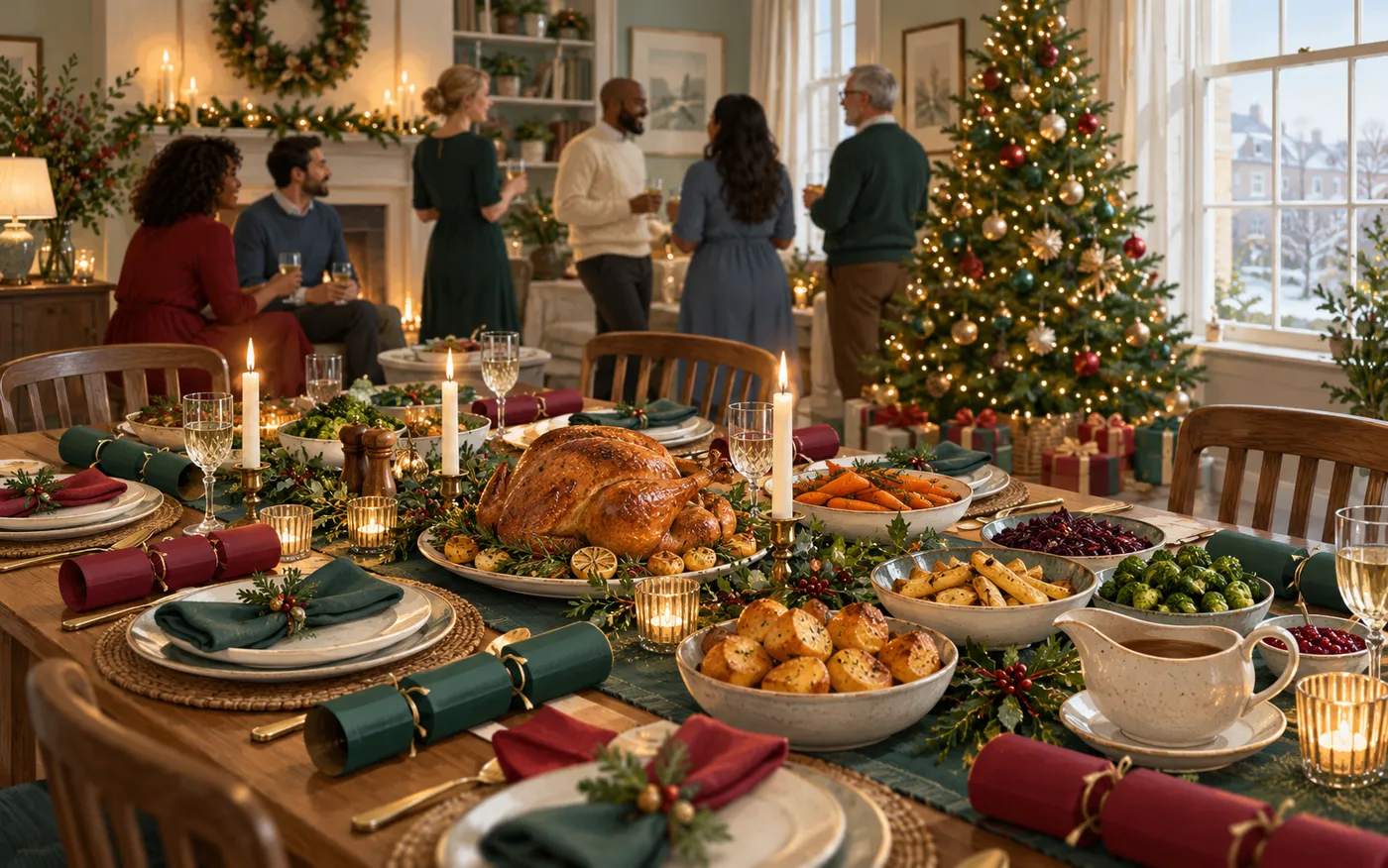
Explore Christmas in Britain through 16 useful words, common traditions and everyday greetings, with picture cards and a myth-or-fact activity.
43 pages
Politeness, small talk, formal and informal English: what fits where, and with whom.
Myth or factB1
Explore Christmas in Britain through 16 useful words, common traditions and everyday greetings, with picture cards and a myth-or-fact activity.
Real documentB1
British Burns Night vocabulary helps you read a supper programme. Learn eight event terms, identify food words and check when each activity happens.
Vocabulary listB1
Learn British darts vocabulary for the dart, board and scoring, with clear object descriptions, natural game phrases and three short questions to try.
Cheat sheetA2
Use please and thank you in polite English requests and replies. Learn could you, would you mind, thanks, cheers and ta with examples and a quiz.
Gap-fillB2
Ambiguous interview answers gap fill tests cautious support, conditions and simple acceptance in a written interview, with explanations and a quiz.
Sorting gameB1
Sort formal or informal phrases into two groups, compare 20 expressions for requests and replies, and practise keeping the meaning while changing tone.
DialogueB1
Practise small talk at work with an English dialogue, natural opening questions and follow-up replies, then check useful phrases in a short quiz.
ReadingC2
The difference between just and exactly becomes clear in a tense editing exchange. Read the scene, distinguish focus from minimising and test four meanings.
Text conversationC1
Practise formal and informal messages about a travel delay. Choose five replies to a manager and a friend while keeping times, promises and facts clear.
Word scaleC1
Choose criticism from mild to severe with six strengths of evaluation, specific examples and a short revision task that keeps evidence and tone aligned.
TimelineB2
Follow the history of the English language through ten moments, from Old English to online use, with word examples and a timeline to put in order.
Myth or factB2
Try a British vs American English quiz with true-or-false claims about spelling, words and usage, clear reasons and examples to compare both varieties.
Real documentB1
Get Bonfire Night explained with the story of 5 November, useful fireworks vocabulary and an event notice to read, then answer a short quiz.
Vocabulary listB2
Learn food idioms in English with 12 clear meanings and everyday examples, plus a quiz on easy tasks, calm people, flattery and difficult choices.
Matching gameB2
Learn animal idioms in English with 12 clear meanings, natural examples and a matching game, from a fish out of water to the elephant in the room.
ArticleB1
Understand dinner tea or supper in British English with regional and family differences, example invitations and a quiz to check the meal meant.
PhrasebookB2
Practise agreeing and disagreeing in English with polite phrases, clear meanings and natural exchanges, then choose replies that fit the situation.
Cheat sheetB2
Use softening language in English to make requests and disagreement more polite, with clear patterns, natural examples and a quiz on appropriate tone.
Gap-fillB1
Formal to friendly email gap fill practises greetings, requests and endings as a message to a course director becomes a clear email to a friend.
Sorting gameB1
Choose formal or informal English for your reader and situation, with clear word comparisons, everyday examples and practice questions on suitable tone.
Myth or factA2
Learn British netball vocabulary for the court, passes and shooting positions, with eight meaning checks, simple examples and equipment picture prompts.
Real documentB1
British school term vocabulary: read an example calendar, distinguish term, half-term and inset day, and find when pupils are expected in school.
Vocabulary listB1
Learn British postbox vocabulary for the box, letter slot and collection information, with clear picture descriptions, posting phrases and a short check.
Matching gameC2
Explore almost and nearly scope through eight sentence meanings, contrasting near-completion, frequency and quantity, with careful notes on word order.
ArticleB2
Learn British and American English differences in vocabulary, spelling and everyday usage, with clear examples and practice questions on common contrasts.
Myth or factB1
Understand British eisteddfod vocabulary for a Welsh arts festival, including choir, competitor and adjudicator, with eight meaning checks and pictures.
Real documentB1
British bowls vocabulary makes a club invitation easier to read. Learn eight playing terms, explore the equipment and check a beginners notice.
Vocabulary listA2
Learn British brass band vocabulary for instruments, players and rehearsal instructions, with picture descriptions, simple examples and a quick quiz.
Matching gameB1
Learn British slang words with 24 everyday meanings, natural examples and register notes, then match expressions to the situations they fit.
ArticleC2
Explore British humour with puns, deadpan and irony in short scenes, then practise decoding jokes and choosing a natural reply when the meaning is unclear.
Myth or factA1
Does everyone drink tea? Is there always a queue? Try eight myth-or-fact questions about British life, then learn simple phrases for tea and weather talk.
Real documentB1
British jumble sale vocabulary explained through a hall notice: learn donations, bric-a-brac, entry and change, then check prices and instructions.
Vocabulary listA2
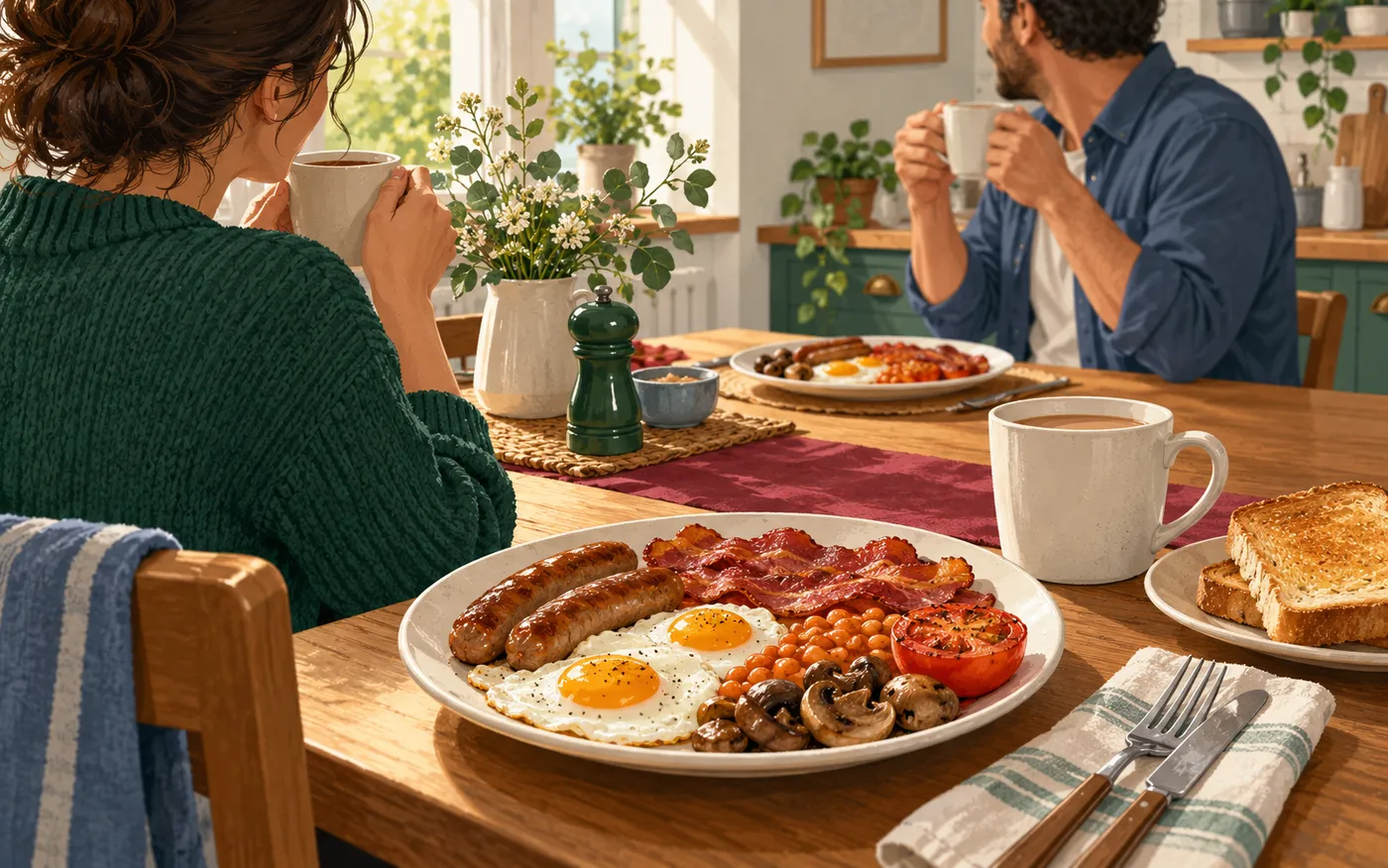
Get a full English breakfast explained with ingredient picture cards, other British dishes and ordering phrases, then test your food vocabulary.